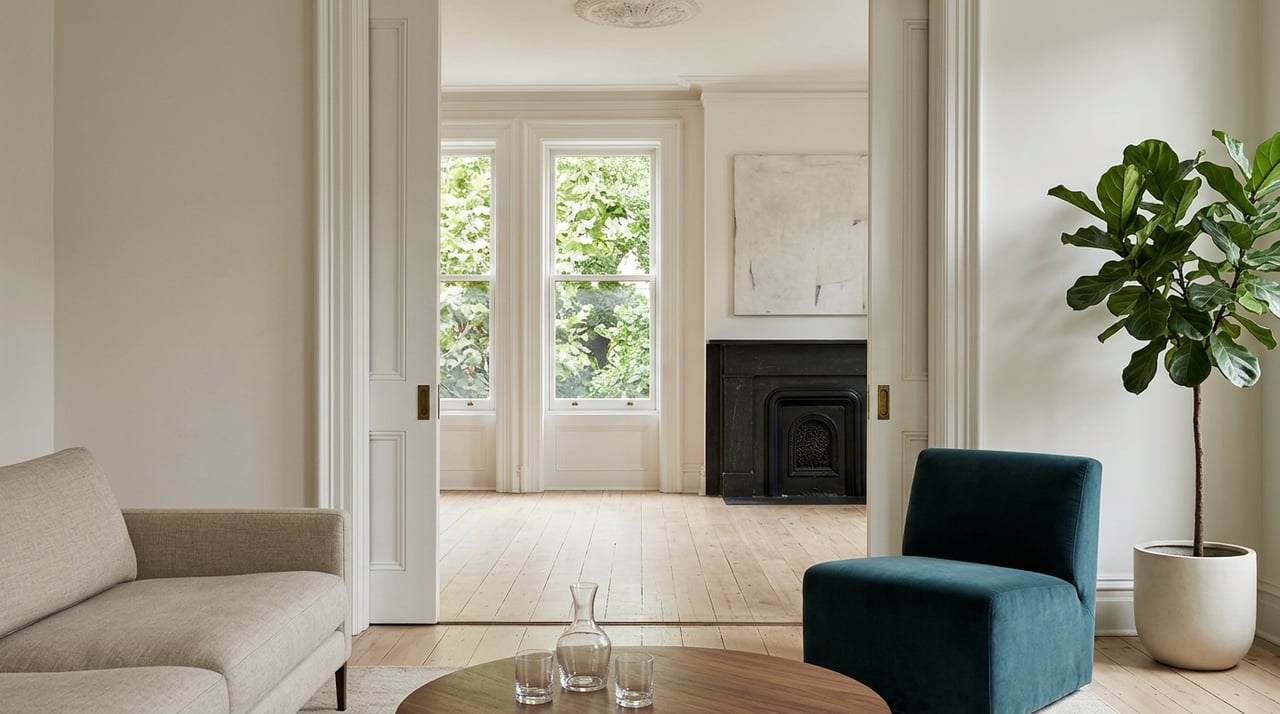
Selling in the West Village is not just about putting your home on the market. It is about shaping a first impression in one of Manhattan’s most image-driven neighborhoods. If you are preparing to sell, you are likely balancing timing, presentation, and practical decisions about what is actually worth doing before launch. This guide will help you focus on the updates and marketing choices that matter most in the West Village, so you can go to market with clarity and confidence. Let’s dive in.
Why West Village prep matters
The West Village is one of Manhattan’s most sought-after and competitive neighborhoods, with a housing mix that includes historic townhouses, walk-ups, co-ops, and condos. According to StreetEasy’s West Village neighborhood data, the area is known for its charming streetscape, largely residential feel, and historic building stock, while some interiors can read as older or outdated.
That combination shapes buyer expectations. Many buyers are drawn in by character, but they still want spaces to feel bright, functional, and easy to imagine as their own. In a market where StreetEasy reports a 62-day median sales timeline, thoughtful preparation can help your home stand out early.
Start with your property type
A smart prep plan in the West Village should reflect what you are selling. A co-op, condo, and townhouse often need different attention before listing.
Co-op prep priorities
In January 2026, PropertyShark reported 20 co-op sales in the West Village with a median sale price of $1.2 million. Many co-op buyers focus closely on layout, light, storage, and overall condition because these homes can have older finishes and tighter footprints.
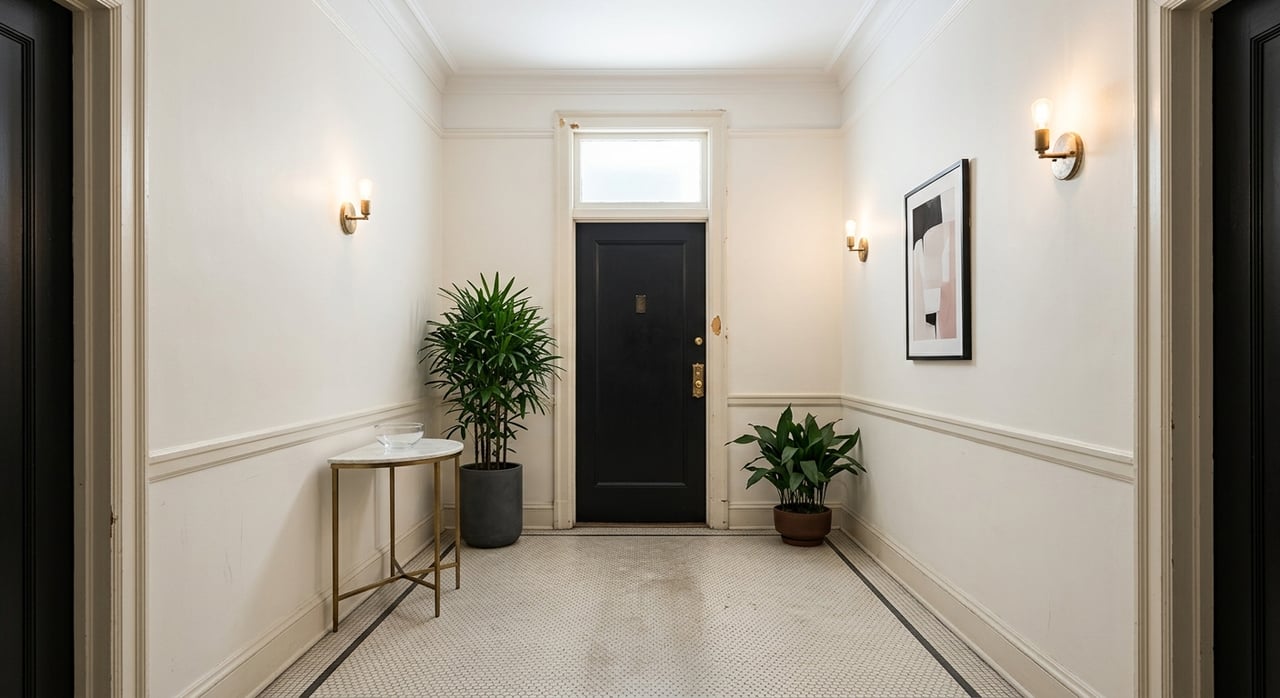
For co-ops, your goal is usually to make the apartment feel cleaner, lighter, and more spacious. Decluttering, removing bulky furniture, and refreshing paint or lighting can often do more than larger cosmetic projects.
Condo prep priorities
West Village condos sold at a higher price point in the same PropertyShark market snapshot, with 13 sales and a median sale price of $2.6 million. Buyers at this level often expect polished interiors and a seamless presentation online.
If you are selling a condo, details matter. Crisp styling, strong photography, and a clear visual story around finishes, light, and layout can help support the value buyers expect at this tier.
Townhouse and house prep priorities
Houses are a much smaller part of the local market, with PropertyShark showing 3 house sales and a median sale price of $7.3 million. In this segment, your exterior presence becomes part of the product itself.
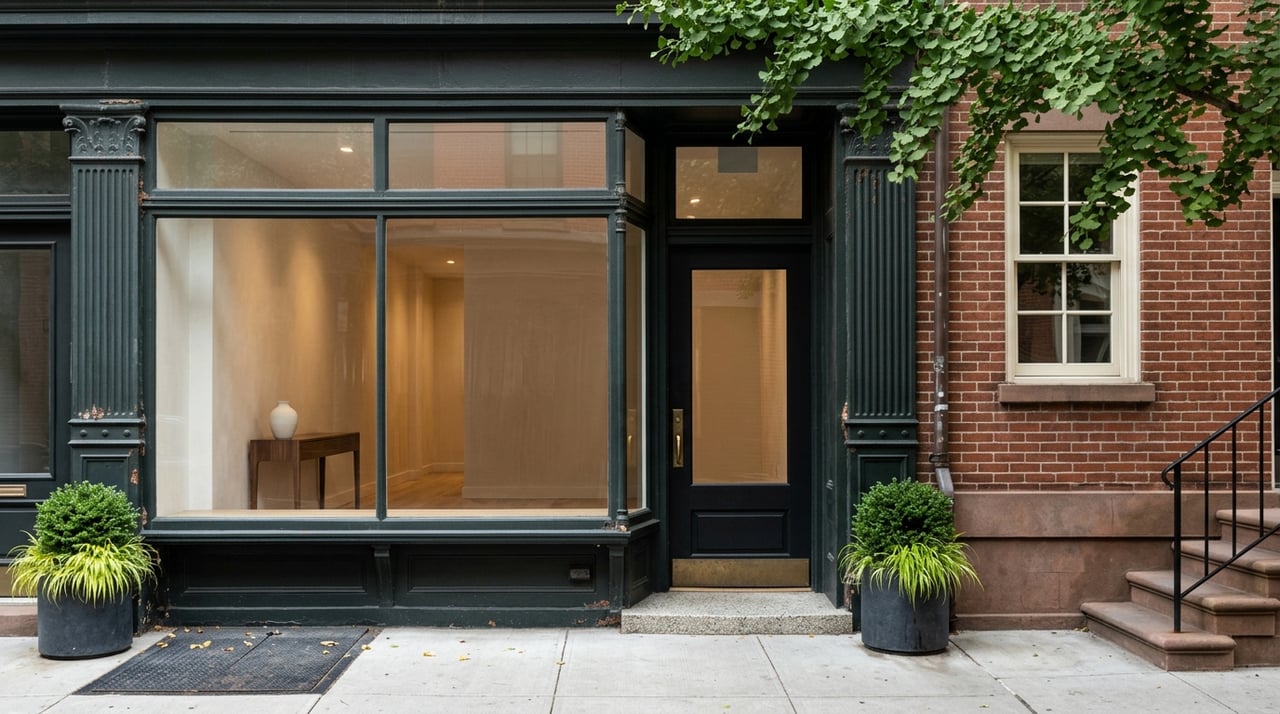
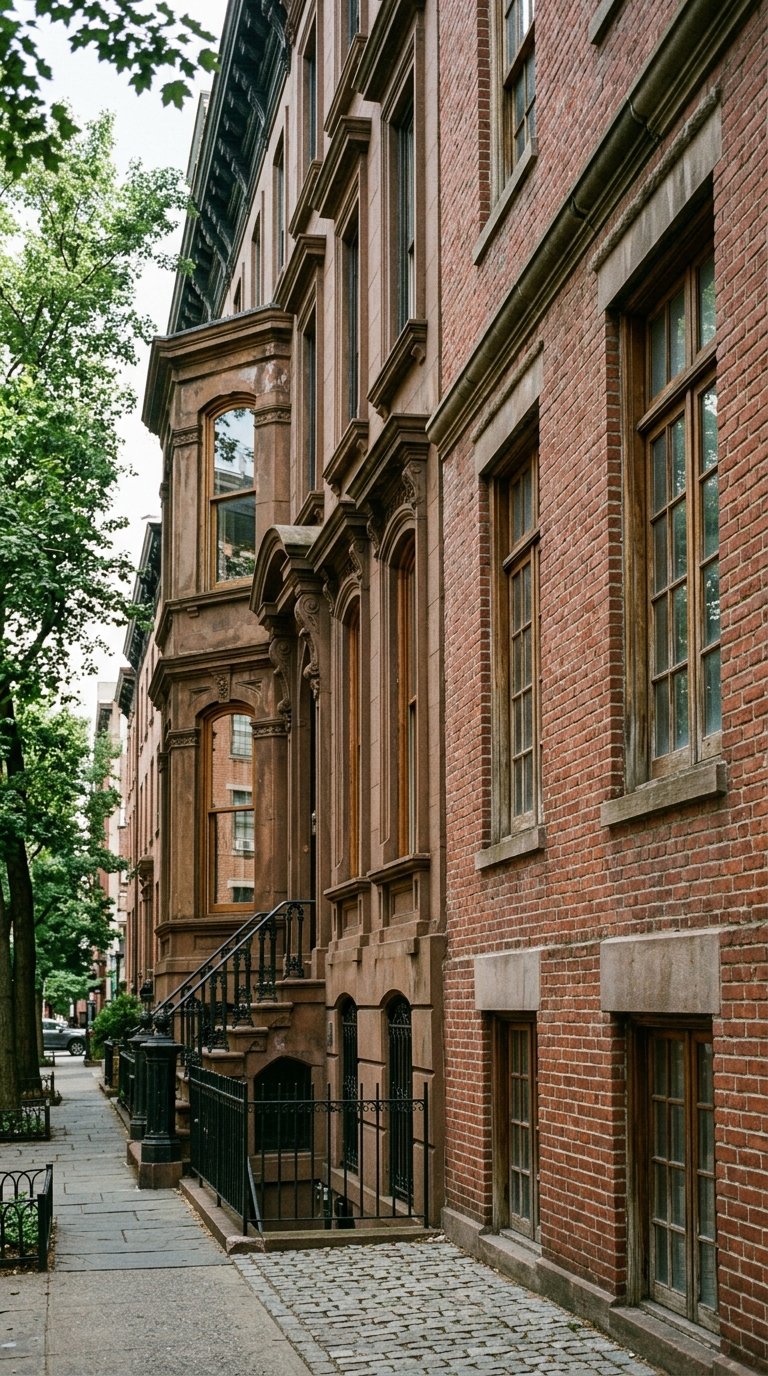
For townhouses and brownstones, buyers often respond first to the facade, stoop, entry sequence, and original architectural details. Your prep plan should protect that sense of character while making the home feel well cared for and visually current.
Preserve charm, update the feel
One of the biggest mistakes sellers make in historic neighborhoods is assuming buyers want either untouched old-world interiors or a full erase-and-replace renovation. In the West Village, the strongest presentation often lives in the middle.
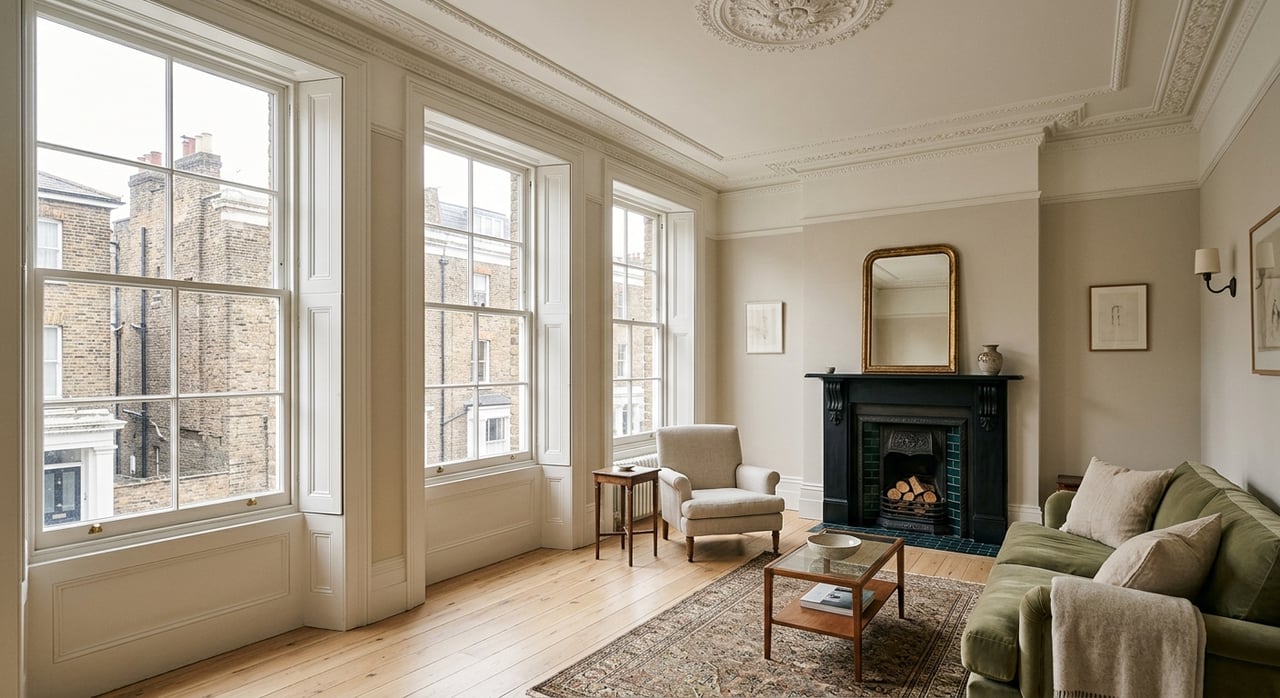
Buyers are often attracted to period details, but they also want rooms to feel livable and fresh. That means preserving features like moldings, fireplaces, and proportions where possible, while simplifying decor and minimizing signs of wear that make a home feel tired.
According to Zillow’s home-selling media guidance, decluttering, depersonalizing, and improving curb appeal are core steps before marketing. In the West Village, that advice is especially useful because historic exteriors may already offer charm, while interiors benefit from a lighter and more edited presentation.
Check landmark rules early
If your property sits within a historic district, exterior updates may need more planning than you expect. This is especially relevant in the West Village, where PropertyShark notes that roughly 80% of the neighborhood has historic-district designation.
The NYC Landmarks Preservation Commission’s Manhattan historic district map includes multiple districts in and around the West Village. The LPC states that owners in historic districts generally need permits for most exterior alterations, while ordinary exterior repairs and most interior work generally do not require review.
This does not mean you cannot improve your home before listing. It means exterior work should be part of your prep timeline from the start. The LPC explains that designation does not freeze a building, but changes that affect designated structures are typically reviewed before work begins.
Focus on the rooms buyers notice most
Not every room needs the same level of staging. If you are deciding where to spend time and budget, start with the spaces that most influence how buyers picture daily life in the home.
The National Association of Realtors 2025 staging snapshot found that 83% of buyers’ agents said staging makes it easier for buyers to visualize a property as a future home. The most commonly staged rooms were:
- Living room
- Primary bedroom
- Dining room
These rooms often carry the emotional story of the listing. In a West Village home, they also tend to show off scale, natural light, and architectural detail.
Make your home photograph beautifully
Your first showing often happens online. That matters because Zillow reports that 95% of buyers shop online, and 27% say high-resolution photos are the most important listing feature.
In practical terms, this means your home should be prepared for the camera, not just for an in-person visit. Clean surfaces, edited shelves, balanced furniture placement, and open sightlines can make rooms feel more expansive in photos.
For West Village townhouses and brownstones, the exterior or entry image may deserve the lead position in the photo gallery because the streetscape and facade are part of the appeal. For apartments with older or less predictable layouts, a floor plan or 3D tour can be especially helpful. Zillow also notes that 70% of buyers say a virtual tour gives them a better feel for a home than photos alone.
Build a prep checklist that matches your launch
Many sellers feel pressure to do everything. In reality, the best pre-sale strategy is usually selective and intentional.
A practical West Village prep checklist may include:
- Decluttering and depersonalizing key rooms
- Touch-up paint and minor cosmetic repairs
- Editing furniture to improve flow
- Styling the living room, primary bedroom, and dining area first
- Deep cleaning, especially windows, kitchens, and baths
- Refreshing entry areas or exterior details where appropriate
- Confirming whether planned exterior work needs LPC review
- Planning for high-quality photography, video, and floor plans
The goal is not perfection. The goal is to remove distractions so buyers can focus on the home’s best features.
Time the launch, but do not rely on timing alone
Timing can help, but it should not replace strong preparation. According to Realtor.com’s 2026 best time to sell report, the best week to list in the New York-Newark-Jersey City metro is March 22, 2026. Realtor.com estimates that during that week, sellers may see 4.6% higher listing prices than the average week, 18.3% more views per property, 10 fewer days on market, and 7.7% fewer active listings.
That said, the same report notes that 53% of sellers took one month or less to get ready to list. In a neighborhood like the West Village, where presentation has an outsized impact, it makes sense to give yourself a real prep window rather than rushing to hit a date.
The bigger takeaway is simple: timing can improve visibility, but condition, pricing, and media quality still shape your first-week response.
Price and presentation work together
Even a beautiful launch can lose momentum if the pricing strategy is not aligned with the market. The West Village remains a premium neighborhood, with StreetEasy showing a median sale around $1.5 million to $1.6 million, but that does not mean every home commands the same buyer reaction.
The research also suggests that longer exposure can lead to more negotiation pressure. Strong prep, a clear pricing strategy, and polished marketing help reduce the risk of your listing feeling stale or requiring later concessions.
Think like a buyer before you list
Before your home goes live, walk through it as if you are seeing it for the first time online and then in person. Ask yourself whether the best features are obvious within seconds. If the answer is no, your prep may need more editing, better styling, or stronger visual storytelling.
In the West Village, buyers often respond to a specific mix of atmosphere and usability. They want the charm of downtown Manhattan, but they also want a home that feels easy to step into. When your preparation supports both, your listing has a better chance to stand out from day one.
If you are thinking about selling in the West Village, a thoughtful plan can make the process feel far more manageable. The Jane Advisory brings a design-aware, people-first approach to preparing and presenting homes with care, clarity, and strong market perspective.
FAQs
What should sellers focus on first when preparing a West Village home for sale?
- Start with decluttering, depersonalizing, deep cleaning, and improving the presentation of the living room, primary bedroom, and dining room, since those spaces are most often staged and heavily influence buyer perception.
Do West Village landmark rules affect pre-sale exterior updates?
- Yes. If your home is in a historic district, many exterior alterations may require review or permits from the NYC Landmarks Preservation Commission before work begins.
How should co-op sellers prepare differently from townhouse sellers in West Village?
- Co-op sellers often benefit most from making interiors feel brighter, more open, and less dated, while townhouse sellers should also pay close attention to facade, stoop, and entry presentation because exterior character is a key part of the appeal.
Does staging really help when selling a home in West Village?
- Yes. NAR reports that 83% of buyers’ agents say staging helps buyers visualize a property as a future home, which can be especially valuable in older or character-rich spaces.
When is the best time to list a West Village home for sale?
- Realtor.com identifies March 22, 2026 as the best week to list in the New York-Newark-Jersey City metro, but a well-prepared, well-priced home can still perform strongly outside that window.