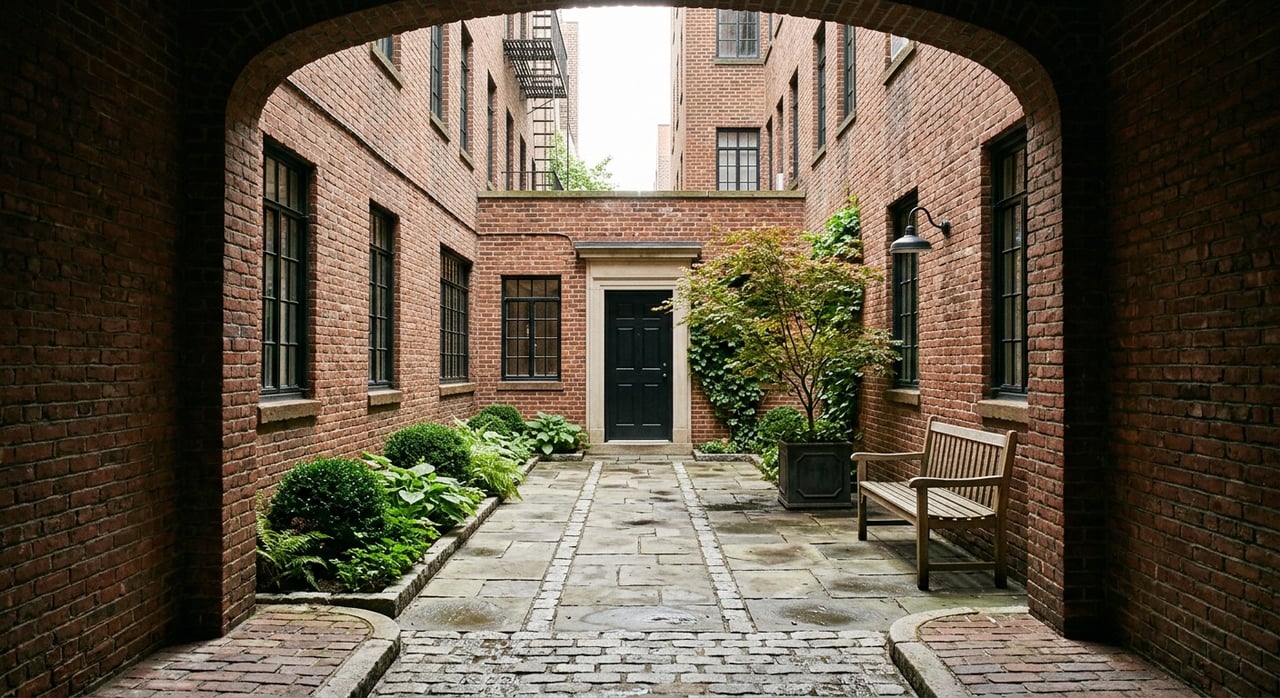
If you love Manhattan energy but crave a little breathing room at home, the Upper East Side can still surprise you. While the neighborhood is known for busy avenues, museums, and dense residential blocks, it also holds calmer pockets that feel more tucked in, more architectural, and more residential. If you are trying to find that balance between city convenience and everyday quiet, this guide will help you spot where the Upper East Side softens. Let’s dive in.
Why the Upper East Side Has Quiet Pockets
The Upper East Side is not one single neighborhood experience. Community District 8 stretches from East 59th Street to East 96th Street, from Fifth Avenue to the East River, and includes Carnegie Hill, Lenox Hill, Yorkville, and the Upper East Side. With more than 198,000 residents in 2023, plus some of Manhattan’s highest household incomes and rents, it is fair to think of the area as dense, active, and highly urban.
That said, density does not mean every block feels the same. Some parts of the neighborhood read as calmer because they sit away from heavier traffic corridors, have more residential street life, or benefit from preserved historic streetscapes. In practice, the quietest-feeling corners tend to be places where architecture, street scale, and open space overlap.
Historic preservation also plays a role. The Upper East Side includes multiple historic districts, including Carnegie Hill, Park Avenue, Treadwell Farm, Henderson Place, and the larger Upper East Side Historic District. Because landmarked areas are regulated for exterior changes, many of these blocks have a more continuous and cohesive look that can make them feel more settled and less hectic.
What Makes a Block Feel Calmer
On the Upper East Side, “quiet” is usually relative. You are still in Manhattan, so the better question is often which areas feel more buffered, more residential, and less traffic-heavy than others.
A few patterns show up again and again:
- Residential side streets with less through traffic
- Historic districts with lower-rise or more consistent architecture
- Proximity to parks, landscaped medians, or open space
- Blocks set apart from major commercial avenues
If you are home shopping, these details matter. They shape how a block feels when you leave for work in the morning, come home in the evening, or spend a Saturday walking the neighborhood.
Carnegie Hill Feels Classic and Residential
For many buyers, Carnegie Hill is the clearest example of Upper East Side charm with a calmer rhythm. The Carnegie Hill Historic District runs roughly from East 86th Street to East 98th Street, between Fifth and Lexington Avenues, and includes around 400 buildings. Its mix of brownstones, brick row houses, freestanding mansions, apartment houses, and older flats buildings creates a strong sense of place.
What makes Carnegie Hill stand out is not just its architecture, but its overall feel. The district sits on a hill, which gives it a subtle separation from the flatter grid around it. Many blocks feel elegant and residential in a way that appeals to buyers looking for classic New York character without constant avenue-level intensity.
For anyone drawn to prewar details and a more intimate streetscape, this is one of the Upper East Side’s most compelling pockets. It feels polished, but not performative. That balance is part of what gives the area lasting appeal.
What to Notice in Carnegie Hill
When you walk Carnegie Hill, pay attention to the street-to-street differences. Some blocks feel especially calm because the building scale stays consistent and retail activity drops away. You may also notice how preserved facades and older housing stock create visual continuity that can feel rare in a fast-changing city.
Park Avenue Offers Order and Breathing Room
Park Avenue does not feel like a typical Manhattan avenue. On the Upper East Side, the Park Avenue Historic District extends from the northeast corner of 79th Street to 91st Street and is known for its landscaped malls and extra-wide roadway. That design gives the corridor a more orderly, open feel than many nearby streets.
This matters because broad public space changes how an avenue is experienced. Instead of reading as packed and noisy in the usual way, Park Avenue often feels formal, structured, and composed. Even blocks just off the avenue can benefit from that sense of openness.
For buyers who want a prime Manhattan address but are sensitive to pace and noise, this corridor offers a useful lesson. Some of the Upper East Side’s calm is not about being hidden away. It is about thoughtful urban form.
Why Park Avenue Feels Different
The landscaped malls are a big part of the story. NYC Parks describes the Park Avenue malls on the Upper East Side as a unique public realm, and that added greenery helps soften the corridor. Combined with the avenue’s width, the result feels more residential boulevard than standard traffic artery.
East End Avenue Feels Removed From the Rush
If your idea of quiet Upper East Side living includes river views, park access, and a little more remove from the busier avenues, East End Avenue deserves close attention. Carl Schurz Park sits on East End Avenue between East 84th and East 90th Streets, and the surrounding blocks have a distinctly different feeling from much of the neighborhood.
A city environmental review describes East End Avenue as almost entirely residential and not a major through street. That is a meaningful distinction on the Upper East Side, where a single avenue can change the mood of daily life. The same review notes that Carl Schurz Park helps buffer nearby residential areas from the activity and visual presence of the FDR Drive.
For buyers, this is one of the strongest examples of calm urban living without leaving Manhattan behind. The river edge, promenade, and park frontage create a softer and more open atmosphere. It can feel quieter, more residential, and more removed, even though you are still firmly on the Upper East Side.
Why the Park Edge Matters
Open space changes how a neighborhood lives. Around Carl Schurz Park, the presence of the park creates longer views, more sky, and a more relaxed relationship between buildings and the street. That can make everyday routines feel less compressed.
Yorkville Has Intimate, Lived-In Charm
Yorkville brings a different kind of quiet to the conversation. It does not lean as heavily on grand mansions or ceremonial avenues. Instead, it offers an older east-side fabric that can feel more intimate and more lived in.
Preservation work in Yorkville has focused on identifying and protecting its distinct sense of place. One of the most telling architectural examples comes from the First Avenue Estate area, where light-court tenements were designed with interior courtyards, wide stairwells, and large windows. Those elements speak to a more human-scaled, courtyard-oriented approach to city living.
For buyers who want charm without formality, Yorkville can be especially appealing. Some blocks feel less polished than Carnegie Hill or Park Avenue, but also more tucked-in and relaxed. That makes Yorkville worth considering if you are looking for warmth, texture, and a quieter residential rhythm.
Where Yorkville Feels Calmest
The calmer parts of Yorkville tend to be on residential side streets where the building stock stays older and the street life remains more local than destination-driven. In these pockets, the architecture helps create a sense of enclosure and continuity that feels grounded rather than busy.
Conservatory Garden Adds a Quiet Counterpoint
The Upper East Side’s quieter corners are not only about where you live. They are also about what you can easily access nearby. That is where the northern Central Park edge, especially Conservatory Garden, becomes part of the story.
Located at East 104th to 106th Streets, Conservatory Garden is Central Park’s formal garden and a designated Quiet Zone. The six-acre space has three distinct garden rooms and a more refined, landscaped character than many other park areas. For people drawn to beauty and calm, it offers a very different experience from more active or crowded park zones.
Even if you are focused on the Upper East Side proper, this nearby destination helps explain why the area continues to appeal to buyers who want elegance with relief from city intensity. Access to peaceful public space is a real part of neighborhood fit.
Look for Hidden Open Space, Too
Not every calm corner on the Upper East Side is a major park. The neighborhood also has 73 privately owned public spaces, often called POPS. These are open areas on private property that must be available for public use and enjoyment.
They are not private courtyards, and they vary in feel and quality, but they can add something valuable to a dense neighborhood. A small seating area, plaza, or setback can create a sense of pause in the middle of a busy day. If you are evaluating a specific block, these tucked-away public spaces are worth noticing.
How to Search for the Right Upper East Side Fit
If you are considering a move to the Upper East Side, it helps to think beyond the neighborhood name and focus on block-level character. Two homes with similar price points can offer very different day-to-day experiences depending on their street, orientation, and relationship to open space.
As you narrow your search, keep a few questions in mind:
- Is the block mainly residential, or does it carry steady commercial traffic?
- Is the building in or near a historic district?
- How close are you to a major avenue versus a quieter side street?
- Are there parks, medians, or public spaces nearby that change the feel of the area?
- Does the architecture create a more intimate or more exposed street experience?
This is also where preservation can become part of your decision. In landmarked areas, the architectural character may be better protected, but exterior changes are also more constrained. For many buyers, that tradeoff is worth it because the block identity is part of the appeal.
The Upper East Side Is Quieter Than You Think
The Upper East Side does not need to be silent to feel calm. Its best quiet corners are the ones where residential street life, preserved architecture, and access to open space come together. That might mean the classic elegance of Carnegie Hill, the broad order of Park Avenue, the riverfront feel of East End Avenue, or the intimate texture of Yorkville.
If you are searching for a home here, the key is not asking whether the Upper East Side is quiet. It is asking which part of the Upper East Side feels right for the way you want to live. If you want help matching your priorities to the right block, building, and neighborhood pocket, connect with The Jane Advisory.
FAQs
Where are the quietest-feeling parts of the Upper East Side?
- The calmer pockets are often found in Carnegie Hill, along parts of Park Avenue, near East End Avenue and Carl Schurz Park, and on select Yorkville side streets where residential character and open space overlap.
What makes some Upper East Side blocks feel quieter than others?
- Blocks often feel calmer when they have less through traffic, more residential-only street life, preserved historic architecture, and proximity to parks, landscaped medians, or other open spaces.
Is Carnegie Hill quieter than other parts of the Upper East Side?
- Carnegie Hill often feels more residential and architecturally cohesive than busier Upper East Side corridors, thanks in part to its historic district, building mix, and side-street character.
Why does East End Avenue feel different from the rest of the Upper East Side?
- East End Avenue is described in city environmental review materials as almost entirely residential and not a major through street, and Carl Schurz Park helps buffer nearby blocks from the FDR Drive.
Are there hidden quiet spaces on the Upper East Side besides parks?
- Yes. The Upper East Side has 73 privately owned public spaces, which can include small plazas or seating areas that offer a tucked-away sense of openness within the neighborhood.
Should buyers pay attention to historic districts on the Upper East Side?
- Yes. Historic districts can help preserve architectural character and streetscape continuity, which often contributes to a calmer, more charming feel, though exterior changes are typically more regulated.