Thinking about moving from Manhattan to Brooklyn? The hard part usually is not deciding whether Brooklyn could work. It is figuring out which neighborhood actually fits the way you live every day. If you are trying to balance commute, home style, budget, and street energy, this guide will help you narrow the field and choose with more confidence. Let’s dive in.
Start With Tradeoffs, Not Borough Stereotypes
For Manhattan buyers, the smartest way to approach Brooklyn is not to ask whether Brooklyn is better than Manhattan. A better question is: what tradeoff do you want to make? In Brooklyn, your experience can change dramatically from one neighborhood to the next.
That matters because Brooklyn is not one market. In PropertyShark’s April 2026 snapshot, the borough-wide median sale price was about $850K, with condos at $1.1M, co-ops at $420K, and houses at $939K. At the neighborhood level, though, pricing can vary widely, especially in townhouse-heavy areas where quarterly medians can swing more than buyers expect.
The Three Questions That Matter Most
Before you fall for a block, a view, or a building, focus on three practical questions. These tend to shape your day-to-day experience more than a neighborhood’s reputation alone.
How do you want to commute?
Your commute pattern should come first. In downtown Brooklyn and Brooklyn Heights, many buyers rely on the A/C, 2/3, 4/5, and R lines, while waterfront neighborhoods like DUMBO, Williamsburg, and Greenpoint also add NYC Ferry connections to Wall Street/Pier 11 and East 34th Street.
If you go into Lower Manhattan often, one set of neighborhoods may feel easier than if your routine centers on Midtown or the East Side. Even within the same neighborhood, the exact block and closest station can change how convenient your week feels.
What kind of home do you actually want?
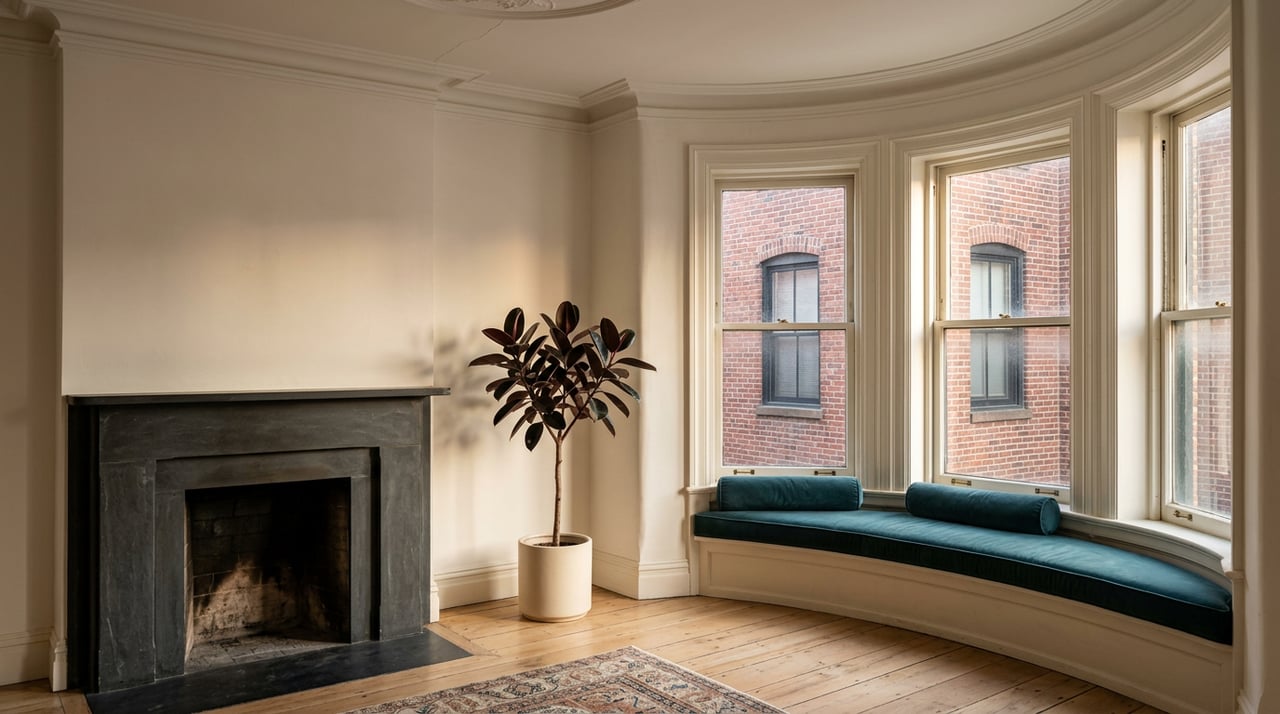
Many Manhattan buyers say they want “Brooklyn,” but what they often mean is a specific housing type. You may be picturing a brownstone floor-through, a prewar co-op near the park, a loft conversion, or a newer condo with amenities.
Those options do not show up evenly across Brooklyn. Some neighborhoods lean classic and low-rise, while others offer more new development or industrial conversions. If your housing wish list is clear, your shortlist usually gets much easier.
How much street energy feels right?
Street life is one of the biggest differences between neighborhoods. Some areas feel polished and quiet, some feel lively but balanced, and others offer the kind of all-day, all-night activity that appeals to buyers who want everything close at hand.
There is no right answer here. The goal is to choose a place where the pace of the street matches how you want to live, not just how you want to spend a Saturday afternoon.
Brooklyn Neighborhoods for Manhattan Buyers
Brooklyn Heights for Near-Manhattan Ease
Brooklyn Heights is one of the clearest choices if you want a short-hop feel to Manhattan without giving up a residential setting. The neighborhood is known for low-rise brick and brownstone row houses, a polished look, and strong subway access, and the Brooklyn Bridge directly connects Lower Manhattan and Brooklyn Heights.
StreetEasy places the neighborhood’s median sale price at about $1.3M. If you are drawn to classic brownstone Brooklyn, value a more traditional residential feel, and want proximity that still reads as distinctly Brooklyn, Brooklyn Heights often lands near the top of the list.
Best fit for
- Buyers who want a near-Manhattan location
- Buyers drawn to classic brownstones and row houses
- Buyers who prefer a quieter, established residential setting
Cobble Hill and Carroll Gardens for Brownstone Living
Cobble Hill and Carroll Gardens appeal to buyers who want townhouse character and a calmer street grid. These adjacent neighborhoods are defined by brownstone-heavy blocks, local retail, and a more neighborhood-centered feel than many Manhattan buyers expect.
Cobble Hill’s median sale price is about $2.5M, which reflects how competitive this slice of brownstone Brooklyn can be. Carroll Gardens is known for its quiet streets, front gardens, and strong preservation identity, while transit typically includes nearby F/G access plus broader access to the R and 2/3/4/5 in the surrounding downtown Brooklyn and Court Street area.
Best fit for
- Buyers prioritizing townhouse living
- Buyers who want local retail over a high-energy nightlife scene
- Buyers looking for a quieter, more residential street experience
Park Slope for Park-Centered Living
Park Slope is often the first stop for buyers who want everyday access to Prospect Park and a strong stock of historic homes. The neighborhood includes tree-lined brownstone blocks, townhouses, and prewar co-ops, with a housing mix that can appeal to both buyers seeking character and buyers looking for alternatives to townhouse pricing.
StreetEasy reports a median sale price around $1.7M, while also noting that some prewar co-ops and rentals can be more accessible than the neighborhood’s top brownstones. Commute time matters here, since Midtown trips can run as long as 45 minutes depending on where you live, which makes your exact block and nearest subway stop especially important.
Best fit for
- Buyers who want Prospect Park woven into daily life
- Buyers looking for historic housing stock
- Buyers who are willing to compare block-by-block commute convenience
Prospect Heights for Balance and Culture
Prospect Heights often works well for buyers who want a middle ground. It offers a central location, a strong restaurant scene, cultural anchors like the Brooklyn Museum, and close access to Prospect Park without leaning as nightlife-forward as Williamsburg.
New development has expanded housing options here, and StreetEasy puts the median sale price at about $1.3M. The neighborhood’s active Vanderbilt Avenue Open Streets programming on Saturdays from May through September also gives a useful window into its street life: lively, social, and local without feeling overly intense.
Best fit for
- Buyers who want a central Brooklyn location
- Buyers who value culture, dining, and local street activity
- Buyers seeking a balanced feel between quiet and lively
DUMBO for Views and Loft Appeal
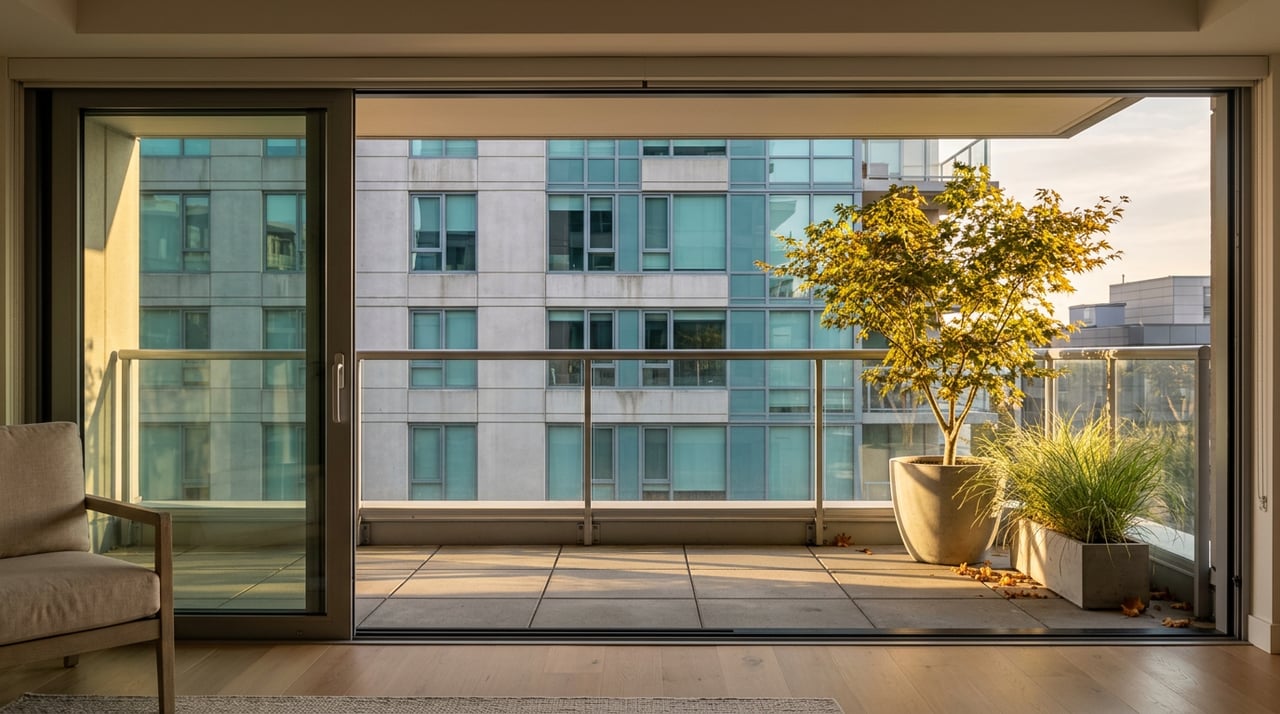
DUMBO is the most waterfront-driven and visually dramatic option in this group. The neighborhood is shaped by its industrial history, and today many buyers are drawn to its loft conversions, cobblestone streets, skyline views, and newer condo buildings.
StreetEasy puts DUMBO’s median sale price at about $1.7M. Transit can be more limited than buyers expect, with the F train doing much of the work, though the East River ferry adds another useful connection for commuters and frequent Manhattan visitors.
Best fit for
- Buyers who want lofts or newer waterfront condos
- Buyers who prioritize views and design-forward settings
- Buyers comfortable with a more curated feel and fewer transit options
Williamsburg for Energy and Amenities
Williamsburg is often the obvious match for buyers who want activity, convenience, and newer housing options. The neighborhood combines glassy condos, converted loft buildings, and a dense mix of restaurants, bars, and music venues, with multiple transit options including the L, M, and nearby J service, plus the ferry.
StreetEasy places the neighborhood’s median sale price at about $1.5M. If your ideal lifestyle means doing most things close to home, and you want strong street energy with many newer buildings in the mix, Williamsburg is usually the clearest fit.
Best fit for
- Buyers who want high street activity
- Buyers interested in condos and amenity-rich buildings
- Buyers who want a neighborhood with a strong live-work-play feel
Greenpoint for a Calmer Waterfront Option
Greenpoint tends to attract buyers who want a more local, self-contained feel. The neighborhood is known for its industrial and maritime roots, calmer pace, and a housing mix that includes rowhouses, flathouses, and converted industrial spaces.
StreetEasy reports a median sale price around $1.4M. The tradeoff is transit: the G is the neighborhood’s only subway line, though the East River ferry adds another connection point. For some buyers, that is a worthwhile exchange for a quieter waterfront setting with a distinct local identity.
Best fit for
- Buyers who want a lower-key neighborhood feel
- Buyers comfortable with less direct subway access
- Buyers drawn to a self-contained waterfront community
How to Narrow Your Shortlist
If several neighborhoods sound appealing, do not choose by name alone. Narrow your options by matching your daily priorities to the places that support them best.
A practical shortlist can look like this:
- For classic brownstone Brooklyn near Manhattan: start with Brooklyn Heights, then compare Cobble Hill and Carroll Gardens
- For Prospect Park access and historic homes: start with Park Slope
- For a balanced mix of culture, dining, and location: start with Prospect Heights
- For views, lofts, and a waterfront setting: start with DUMBO
- For restaurants, nightlife, and newer buildings: start with Williamsburg
- For a calmer, more self-contained waterfront feel: start with Greenpoint
Keep Price in Perspective
Price matters, but it should not be the only filter. Brooklyn’s borough-wide median can give you a baseline, yet neighborhood medians and housing types tell a much more useful story for Manhattan buyers.
It is also important to remember that medians are not fixed rules. In townhouse-heavy neighborhoods, pricing can move sharply from quarter to quarter, so the better approach is to think in ranges and compare what you get for the money in each area.
The Right Neighborhood Is About Fit
The best Brooklyn neighborhood for you is the one that fits your routine, your housing goals, and the kind of street life you want to come home to. For Manhattan buyers, the real decision is usually not about crossing the river. It is about choosing the version of Brooklyn that supports your life best.
If you want help comparing neighborhoods block by block, building by building, and commute by commute, The Jane Advisory brings a thoughtful, highly curated approach to buyer matchmaking across Brooklyn and Manhattan.
FAQs
What should Manhattan buyers compare first when choosing a Brooklyn neighborhood?
- Start with your commute, preferred home type, and desired street energy, since those three factors shape daily life more than neighborhood reputation alone.
Which Brooklyn neighborhood feels closest to Manhattan for buyers?
- Brooklyn Heights is often the strongest fit for buyers who want a short-hop feel to Manhattan along with a polished, residential setting.
Which Brooklyn neighborhoods are best for brownstone buyers?
- Brooklyn Heights, Cobble Hill, Carroll Gardens, and Park Slope are strong places to start if you are prioritizing brownstones, row houses, or other historic housing stock.
Which Brooklyn neighborhood is best for buyers who want Prospect Park access?
- Park Slope is the clearest choice if your priority is living near Prospect Park and having a park-centered neighborhood feel.
Which Brooklyn neighborhoods work well for waterfront buyers?
- DUMBO, Williamsburg, and Greenpoint stand out for waterfront living, with ferry access adding another connection option to Manhattan.
Which Brooklyn neighborhood is best for buyers who want lively street life?
- Williamsburg is usually the most obvious fit for buyers who want dense restaurants, nightlife, and a strong all-in-one neighborhood lifestyle.
How much do Brooklyn home prices vary by neighborhood?
- Quite a bit. While Brooklyn’s overall median sale price was about $850K in April 2026, neighborhood medians in this guide ranged from roughly $1.3M to $2.5M, and townhouse-heavy areas can swing sharply over time.