If you are torn between a Harlem brownstone and a condo, you are asking the right question. In Harlem, the choice is not just about style or square footage. It is about how you want to live, what you want to manage, and how your budget lines up with the kind of ownership experience you want. Let’s dive in.
Harlem housing is not one market
Harlem is often talked about as if it is a single housing market, but the numbers tell a more layered story. StreetEasy reports a Harlem median sale price around $750,000, while West Harlem is closer to $398,000 and East Harlem is about $578,000. A StreetEasy blog post also placed Central Harlem’s median asking price at $780,000 in December 2025.
That range matters because your brownstone-versus-condo decision may look very different depending on which part of Harlem you are targeting. In some areas, condos may offer a more accessible entry point. In others, townhouse inventory may be part of a very different budget conversation.
Harlem also holds both historic rowhouse blocks and newer mixed-use growth at the same time. The city’s 125th Street planning documents describe ongoing mixed-use development along the corridor, with projected housing growth and public realm improvements, while landmarked sections of Harlem preserve long-standing rowhouse streetscapes.
Brownstone living in Harlem
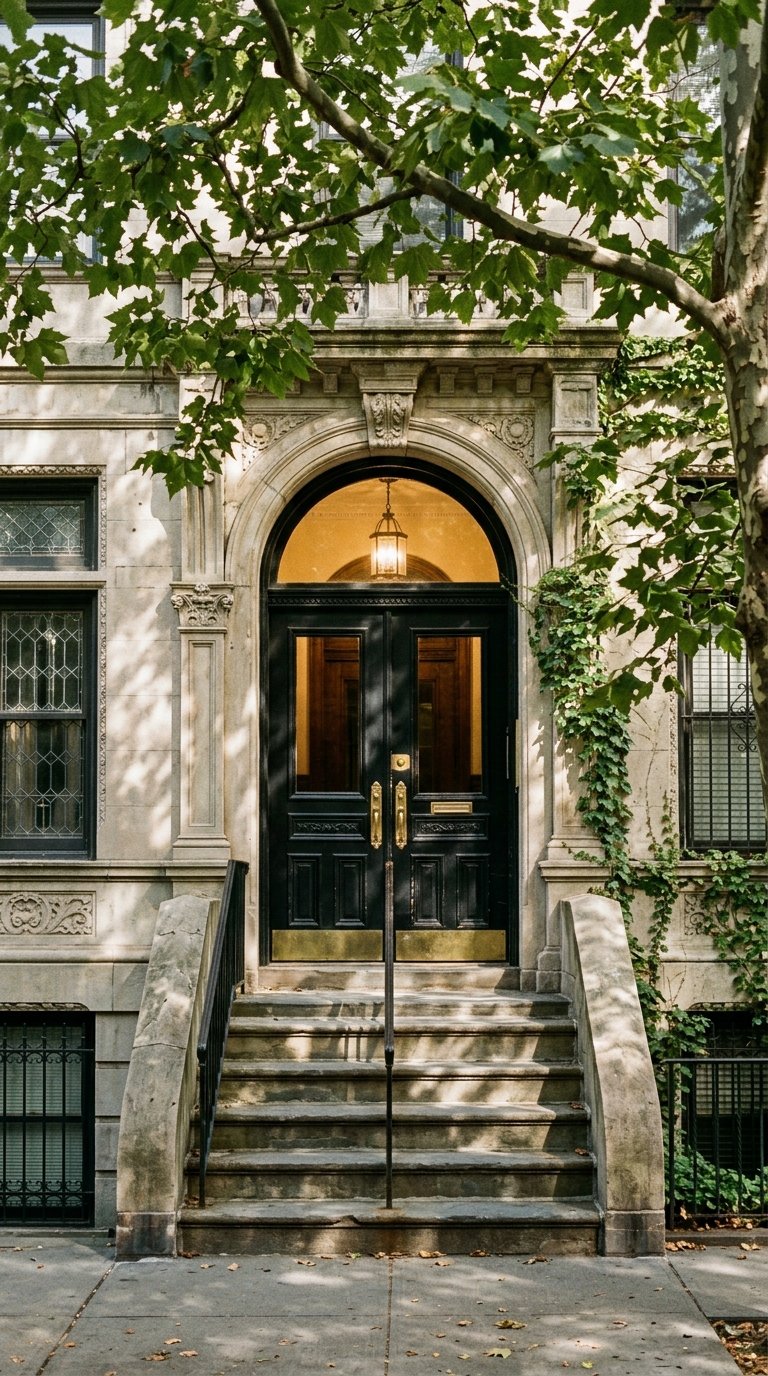
For many buyers, the appeal of a Harlem brownstone is immediate. You get the scale, the privacy, and the feeling of living in a house rather than in a shared building. In a neighborhood with a strong rowhouse identity, that can be a major draw.
The NYC Landmarks Preservation Commission notes that historic districts in Harlem include blocks defined by 19th- and early-20th-century row houses. That architectural context is part of what makes brownstone ownership here so special. It can also come with extra considerations if the property sits in a historic district.
What a brownstone can offer
A brownstone often gives you more direct control over your home. Depending on the property, that may include:
- More interior square footage
- Greater privacy
- Private outdoor space
- More flexibility in how you use the building
- A more house-like living experience
Recent Harlem townhouse listings show how strong that appeal can be. Examples include homes with private gardens, decks, roof decks, roof rights, and outdoor space measuring hundreds of square feet.
Brownstones usually require more capital
The tradeoff is price. In Harlem, current townhouse and brownstone listings are materially higher than many condo listings.
Examples in the market include a townhouse at 7 East 124th Street listed at $2 million, a restored brownstone at 387 Manhattan Avenue listed at $3 million, and another Harlem townhouse at 235 West 136th Street listed at $1.598 million. Those listings show that buying an entire townhouse often means stepping into a very different price bracket than buying a condo unit.
Brownstones come with more owner responsibility
With a brownstone, you are typically taking on more of the building’s operating and maintenance burden yourself. A townhouse listing at 7 East 124th Street, for example, shows no common charges. That may sound appealing at first, but it also means there is no shared building structure absorbing ongoing upkeep.
Recent listings offer a helpful reality check. One South Harlem townhouse highlights a new roof, new boiler, new hot water tanks, sump pump work, and a large outdoor area. Those are the kinds of capital items brownstone buyers should be ready to budget for.
Legal use matters more than you might think
Not every Harlem brownstone functions as a one-family home. Current inventory includes one-family, two-family, three-family, and four-family configurations.
That distinction matters because legal use can affect financing, future plans, rental income potential, and how much day-to-day management you may take on. If you are drawn to a townhouse, it is worth understanding exactly what you are buying before you fall in love with the façade.
Historic district rules can shape your plans
If a property is located in a historic district, exterior work may require coordination with the Landmarks Preservation Commission. The LPC’s rowhouse guidance makes clear that exterior alterations in historic districts are reviewed through that process.
That does not make brownstone ownership a bad fit. It simply means your renovation timeline and decision-making may need more care, especially if preserving original details is part of the home’s value.
Condo living in Harlem
A condo offers a different version of Harlem living. You may give up some privacy and control over the full building, but in return you often get a lower entry point, shared services, and a more predictable ownership structure.
That can be especially appealing if you want a simpler day-to-day experience or if you prefer amenities over managing a full property yourself.
Condos often offer a lower entry point
In Harlem, condos span a wide price range, but many still come in below the cost of a full townhouse. Current examples include an East Harlem studio at $439,000, a one-bedroom at The Cereza listed at $675,000, and two-bedroom listings at Aurum in Central Harlem around $885,000 to $935,000.
StreetEasy data for West Harlem also shows median condo values around $610,000 for one-bedrooms, $1.299 million for two-bedrooms, and $1.349 million for three-bedrooms. That means the condo market still offers plenty of variation, but for many buyers it remains the more accessible path into Harlem ownership.
Condos can bring amenities and convenience
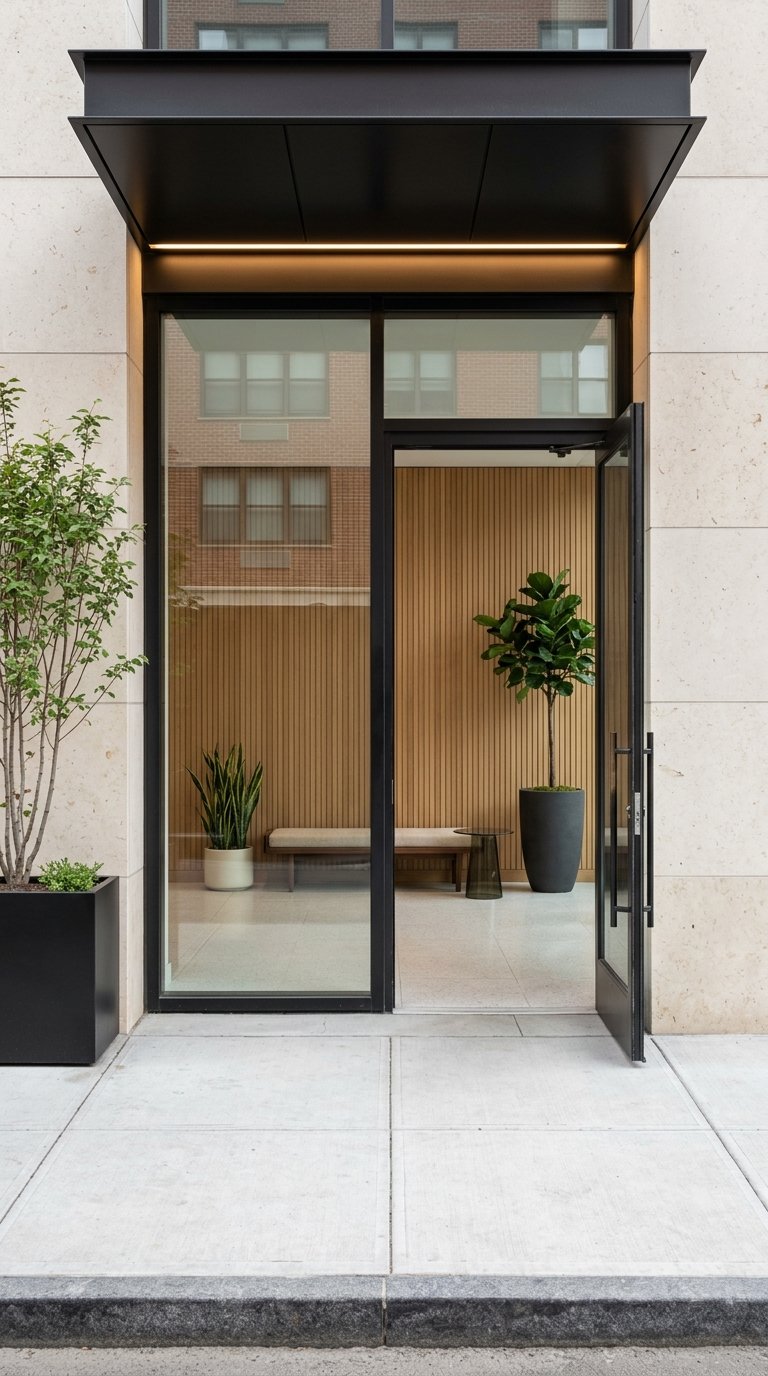
A full-service condo can shift much of the operating burden into common charges. Harlem condo examples include buildings with doormen, elevators, gyms, roof decks, bike rooms, parking, balconies, terraces, and in-unit washer and dryers.
If you want support systems built into your daily life, this model can feel easier and more streamlined. You are not responsible for managing every system in the building on your own.
Shared living comes with monthly fees and rules
The convenience of condo living comes with tradeoffs. Monthly condo or HOA fees are usually separate from your mortgage and can range from a few hundred dollars to more than $1,000 per month.
Associations may also maintain reserves or levy special assessments. That means your monthly carrying costs are not just about principal, interest, taxes, and insurance. You also need to budget for common charges and understand the building’s financial structure.
Financing can depend on the building
When you buy a condo, the building itself can affect the financing process. Condo-project eligibility is part of lender review, so not every transaction is judged on the unit alone.
That does not mean condo financing is inherently difficult. It does mean the building’s approval status, finances, and structure can influence how smooth the process feels.
Brownstone-style condos add a twist
One of the more interesting parts of Harlem’s housing mix is that some homes that look like brownstones are actually condos. Brownstone Lane II is an example of a condo development with townhouse-style façades and full-service amenities.
That is a great reminder that exterior appearance does not tell the whole story. If you love the look of a rowhouse but want a more managed ownership model, a brownstone-style condo may offer a middle ground.
How lifestyle changes the right answer
The best choice often comes down to how you want your home to function in everyday life. Harlem offers both preserved rowhouse blocks and condo product near evolving corridors and mixed-use areas, so your answer may be less about the neighborhood itself and more about your preferred ownership experience.
A brownstone may suit you if you want:
- More space and privacy
- More direct control over the property
- Greater potential for private outdoor space
- Flexibility to shape the home over time
- A house-like experience in Harlem
A condo may suit you if you want:
- A lower purchase entry point
- Less direct maintenance responsibility
- Building amenities and services
- More predictable shared operations
- A simpler ownership structure for daily life
Neither option is automatically better. The real question is how much responsibility, privacy, monthly carrying cost, and space you want to trade for one another.
Think beyond the purchase price
It is easy to focus on the headline number when comparing condos and brownstones, but the monthly and long-term picture matters just as much. Closing costs typically run about 2% to 5% of the purchase price, and that is before you get into maintenance, repairs, utilities, and monthly building fees.
A brownstone may not have common charges, but it can bring larger repair exposure over time. A condo may cost less upfront, but your monthly charges and building rules become part of the equation. Looking at the full ownership cost is where the smartest decisions usually happen.
The Harlem question is really a lifestyle question
In Harlem, you are not choosing between old and new so much as choosing between two very different ownership models. One gives you more autonomy, more responsibility, and often more space. The other can offer lower entry pricing, shared amenities, and less hands-on management.
If you are deciding between the two, it helps to look at the block, the legal structure, the monthly carrying costs, and the way you want to live day to day. If you want thoughtful guidance on how these options line up with your goals in Harlem, connect with The Jane Advisory.
FAQs
What is the main difference between brownstone and condo living in Harlem?
- A Harlem brownstone usually offers more privacy, space, and control of the property, while a Harlem condo usually offers a lower entry point, shared amenities, and less direct maintenance responsibility.
Are Harlem brownstones more expensive than Harlem condos?
- In many cases, yes. Current Harlem condo examples start as low as $439,000, while current townhouse and brownstone examples in Harlem are listed around $1.598 million to $3 million.
Do Harlem condos have monthly fees?
- Yes. Condo or HOA fees are typically separate from your mortgage, and they can range from a few hundred dollars per month to more than $1,000.
Can a Harlem brownstone be a multi-family property?
- Yes. Harlem townhouse inventory includes legal one-family, two-family, three-family, and four-family configurations, so you should verify legal use before you buy.
Do historic district rules affect Harlem brownstones?
- They can. If a Harlem brownstone is in a historic district, exterior changes may require coordination with the Landmarks Preservation Commission.
Are there condos in Harlem that look like brownstones?
- Yes. Some Harlem properties have townhouse-style exteriors but are legally condos, which is why the ownership structure matters as much as the appearance.