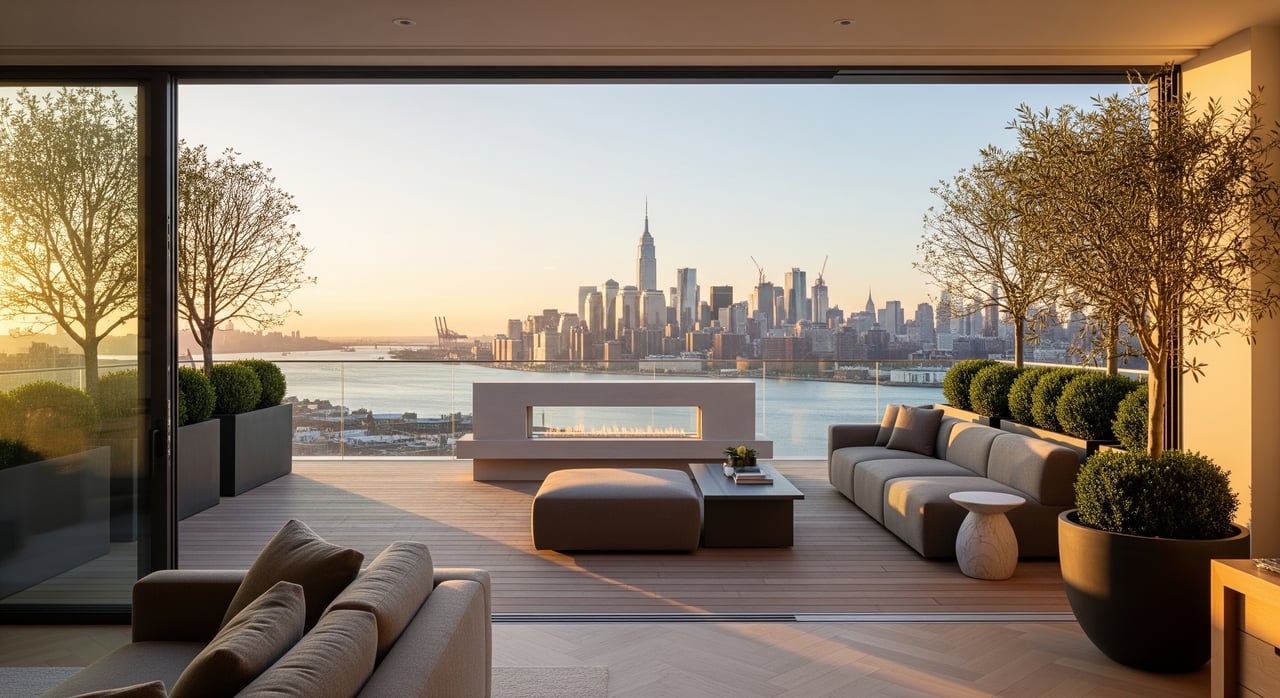
If you picture your evenings framed by shimmering skyline views, fresh river breezes, and a stroll to a waterfront park, the Long Island City shoreline might be your place. You want a neighborhood that is easy to navigate, close to Midtown, and calm when you need it. In this guide, you will learn what daily life on the LIC waterfront really feels like, from parks and commutes to homes and practical tradeoffs. Let’s dive in.
Waterfront parks and views
Gantry Plaza State Park
You get wide lawns, wooden piers, a playground, and the iconic Pepsi-Cola sign, all facing the Manhattan skyline. Sunset is prime time, when photographers and neighbors crowd the railings for the glow over Midtown. On quieter mornings, you can hear the water lap and watch ferries cut across the East River. It feels open, clean, and calm compared with many dense city blocks.
Hunters Point South Park
This newer park stretches along the water with a broad promenade and south-facing skyline views. It links you to nearby paths and lawns for walking, jogging, and laid-back picnics. Seasonal events and food pop-ups add energy in warmer months. In winter, it is quieter, but the views stay dramatic.
Everyday waterfront life
Promenades run along parts of the shoreline, connecting pocket parks and playgrounds. Evenings bring a steady flow of strollers, joggers, and neighbors unwinding. Wind can pick up near the towers, and sunlight can reflect off glass facades. Overall, the riverfront feels relaxed and residential most nights.
Getting around
Subway access
The 7 train serves Vernon Blvd–Jackson Ave, Hunters Point Ave, and Court Square. You can reach Midtown in often under 20 minutes, depending on where you start and transfer. At Court Square, you can connect to the E, M, and G for more Manhattan and Queens options. The F at 21st St–Queensbridge is close to parts of the waterfront as well.
Ferry rides
NYC Ferry’s routes include a Long Island City/Hunters Point stop that links to Manhattan and other waterfront neighborhoods. The ride is scenic and relaxed, and it can be a pleasant alternative during nice weather. Timing and frequency vary by route and time of day. Ferry commutes to Lower Manhattan can range from about 20 to 40 minutes.
Biking and walking
You will find bike lanes and paths that connect to Queens corridors and the Queensboro Bridge. Walking is easy near the parks and major transit nodes. Some blocks near industrial pockets feel more auto-oriented. Experienced cyclists often cross the bridge for citywide access.
Driving and parking
Driving into Manhattan is limited by bridges and tunnels and can be slow. Parking in LIC is limited and costly. Many residents choose subway, ferry, or biking for daily travel. If you keep a car, plan ahead for garage rates.
Homes and buildings
What you will find
The LIC waterfront transformed from industrial uses to high-rise residential and mixed-use towers. You will see contemporary glass buildings with doormen, gyms, rooftops, and sometimes unit balconies. Many buildings have ground-floor retail or childcare and community spaces. Inland, you will still spot pockets of older low-rise buildings.
Prices and patterns
Waterfront apartments command a premium over many inland Queens options. Prices and rents are often lower than comparable Manhattan waterfront homes. New construction and turnover shape the market, so inventory can change quickly. For current figures, follow local market reports.
What to check when touring
Ask about wind, glare, and building orientation to understand how the unit feels day to day. Look for sound insulation, given ongoing development nearby. Review building flood mitigation, such as elevated ground floors or resiliency features. If a property is in a flood zone, you may need to evaluate insurance and plan accordingly.
Daily life
Food and drinks
You will find a mix of casual cafes, neighborhood bistros, and higher-end spots, with rooftop bars in some buildings. The scene is more low-key than parts of Williamsburg or DUMBO, but it is growing. Local streets near the parks and transit bring easy options for after-work dinners. Summer can bring pop-ups and outdoor seating.
Groceries and services
Grocery stores and shops cluster near transit and main corridors like Court Square and Hunters Point. Personal services such as salons, gyms, and dry cleaning are easy to find. Specialty retail is more limited, so you may hop to Manhattan or other Queens neighborhoods for certain items. As the area grows, the retail mix continues to expand.
Recreation and fitness
Waterfront paths make running and walking part of your routine. Look for community fitness classes, small studios, and larger gym branches. Kayaking programs can pop up seasonally, though large marinas are not part of the scene. For bigger park systems, you will head across the river or elsewhere in Queens.
Schools and childcare
A range of public and charter options exist nearby, and families often review zones and waitlists before deciding on a move. Pre-K and childcare availability can vary by block and building. The newer housing and parks make the area attractive for families planning their next chapter. It helps to start research early.
Practical considerations
Construction and noise
LIC is still evolving, so you should expect periodic construction activity. Noise can include traffic, building work, and wind near taller towers. Waterfront promenades are generally peaceful outside peak park hours. Touring at different times of day will give you a realistic picture.
Flood risk
Parts of the LIC waterfront fall within FEMA flood zones and NYC coastal floodplains. Many new projects include flood mitigation and elevated ground floors. Ask for building documents that outline resiliency features. If you are buying, review maps and speak with insurance providers about coverage.
Safety
LIC functions like a typical NYC urban neighborhood, with activity levels that vary by time and place. For the most current picture, review official local data and community updates. Visiting at different hours helps you understand the rhythm of the blocks you are considering. As with any city area, situational awareness goes a long way.
LIC vs Manhattan vs Brooklyn
Compared to Manhattan waterfronts
Manhattan waterfront neighborhoods tend to be older and more established, with dense retail and a long track record. They often carry higher prices and a prestige factor. LIC can offer more space and similar skyline views at a lower cost. The vibe is newer and quieter outside commuting hours.
Compared to Brooklyn waterfronts
Williamsburg and DUMBO offer preserved industrial lofts, boutique retail, and a strong arts and nightlife profile. LIC’s retail fabric is still building in select corridors. What LIC gives you is direct Midtown skyline views and strong transit connections. It reads as residential leisure rather than late-night energy.
Who the LIC waterfront fits
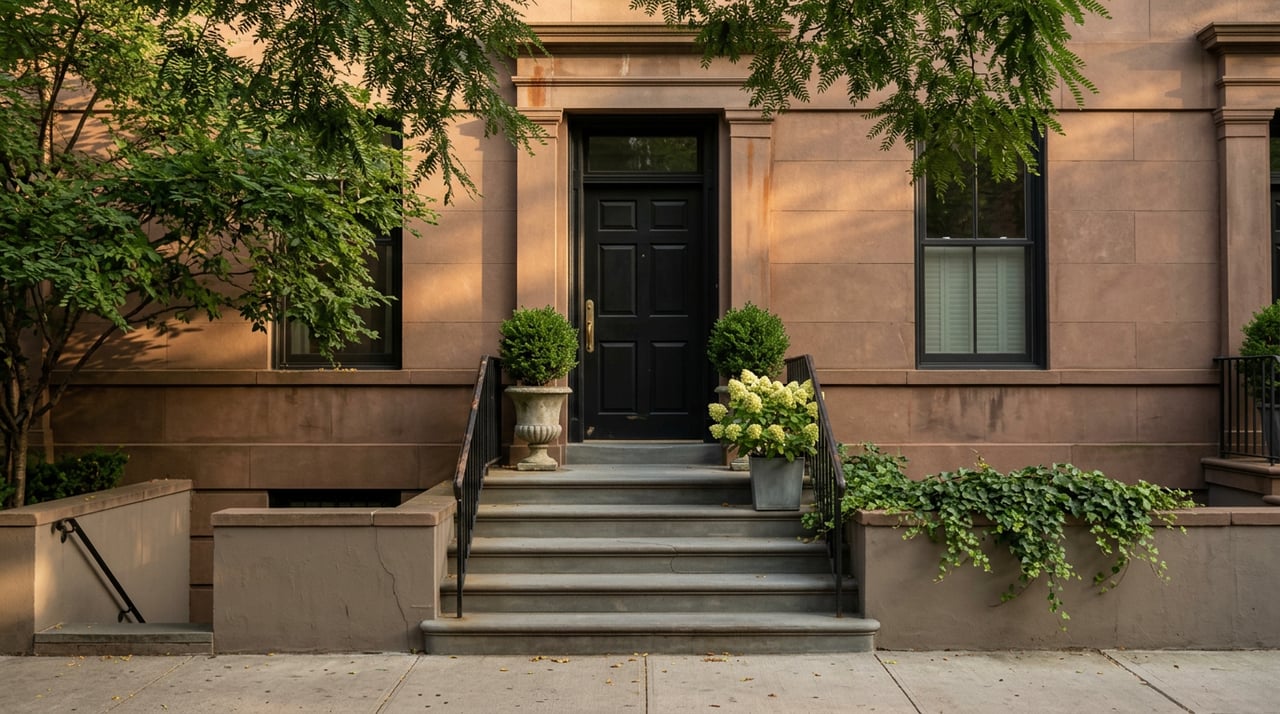
You want quick Midtown access, modern amenities, and parks at your doorstep. You prefer skyline views and newer buildings over historic brownstones. You like a calm evening scene with the option to head into nightlife elsewhere. If that sounds right, LIC’s waterfront could be a great fit.
Plan your next step
When you are weighing buildings, views, and commute options, a clear strategy makes a real difference. We help you compare floor plans, evaluate light and exposure, and understand transit and flood considerations building by building. If you want warm, boutique guidance backed by serious market knowledge, we are here for you. Connect with the women-led team at The Jane Advisory to explore LIC waterfront living with confidence.
FAQs
What is the LIC waterfront commute to Midtown like?
- The 7, E, and M lines provide direct Midtown access, often in under 20 minutes depending on your station and time of day.
Are LIC waterfront parks crowded on weekends?
- Gantry Plaza and Hunters Point South are popular at sunset and on weekends, while weekdays and mornings tend to be calmer.
How does LIC compare with DUMBO and Williamsburg?
- Brooklyn waterfronts lean more boutique and nightlife-focused, while LIC offers newer high-rises, expanding amenities, and direct Midtown skyline views.
Is flood insurance required on the LIC waterfront?
- Parts of the shoreline fall within FEMA flood zones, so evaluate your specific building’s location and resiliency features and consult insurance providers.
Is driving and parking practical in LIC?
- Parking is limited and expensive, and Manhattan access by car faces congestion, so many residents rely on subway, ferry, or biking.
What housing types are common on the LIC waterfront?
- You will find contemporary high-rise condos and rentals with doormen, fitness centers, rooftops, and some mixed-income developments.