Trying to choose between Hunters Point and Court Square for your next new development condo in Long Island City? You’re not alone. Both submarkets offer fresh buildings, sleek finishes, and strong neighborhood energy, but the day-to-day feel and cost structure can be very different. This guide breaks down how to compare price per square foot, amenities, commute realities, and what to look for during tours so you can move forward with confidence. Let’s dive in.
Neighborhood snapshot
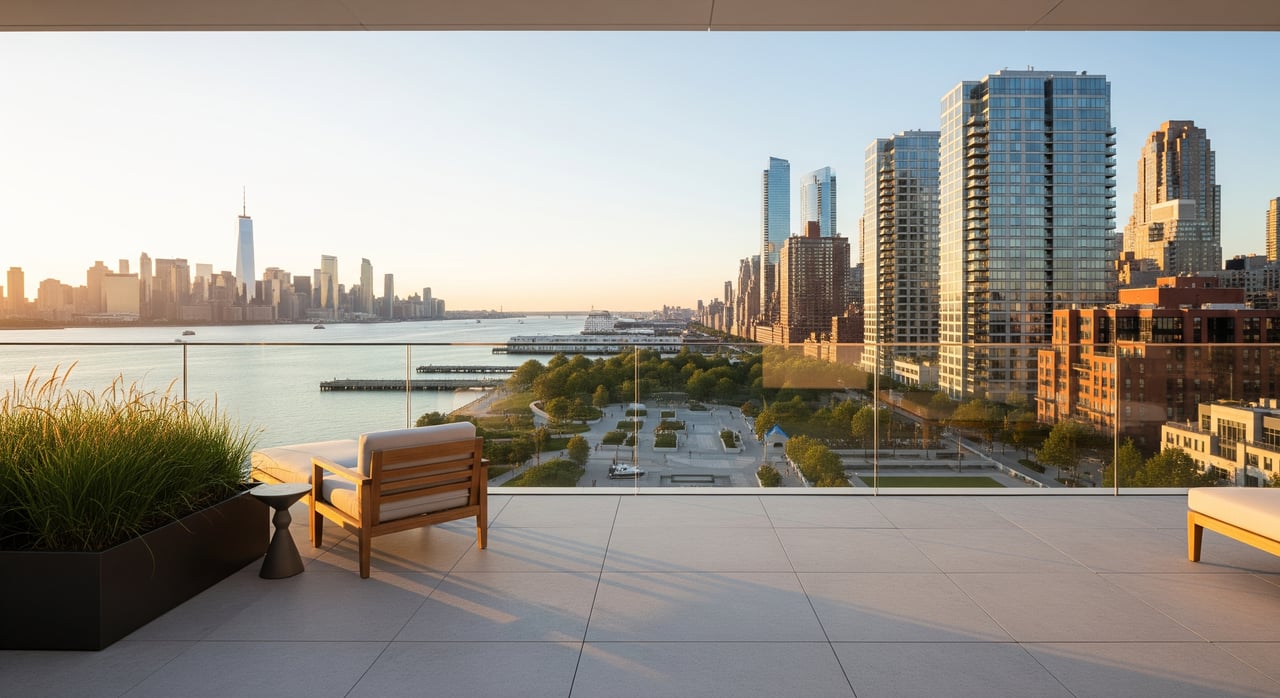
Hunters Point sits along the LIC waterfront near Gantry Plaza State Park and the Hunter’s Point South shoreline. You get riverfront parks, skyline views, and a growing collection of high-rise condos and rentals. In many pockets, the pace is calmer, especially in the evenings.
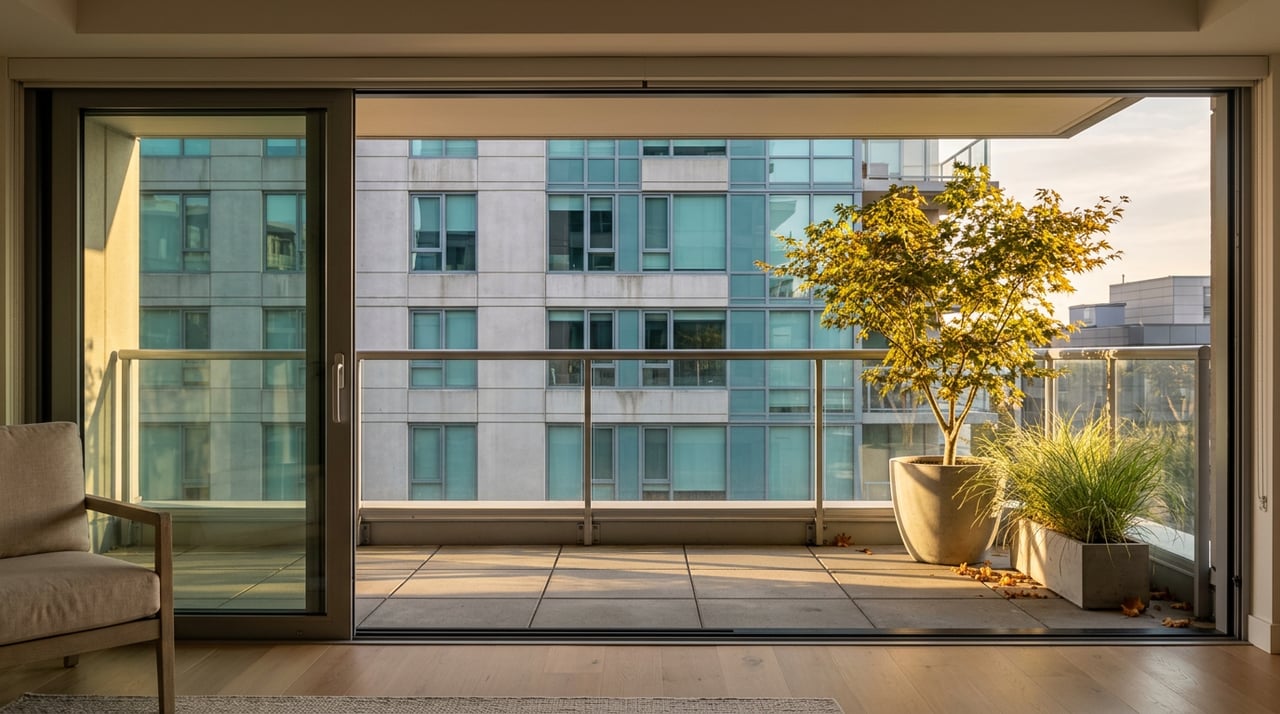
Court Square centers on the multi-line transit hub that links several subway routes and connects quickly into Manhattan. The built environment is a mix of mid- and high-rise residential, some office buildings, and a denser set of cafes and services. At street level, it feels busier during the day.
Both areas are close to each other, but they cater to slightly different priorities. Your best fit depends on whether you value waterfront living and expansive amenities or fast transit and urban convenience.
Pricing: compare price per foot
Price per square foot is the most common way to compare new developments, but it only works if you normalize for the product type and features. For an apples-to-apples view, focus on new-construction condos with the same bedroom count and similar floor positions.
How to compare fairly
- Match unit type and floor: Compare 1-bed to 1-bed or 2-bed to 2-bed, and align low, mid, or high floors.
- Control for view: River and skyline exposures can command a premium over courtyard or street views.
- Adjust for extras: Private terraces, parking, storage, and corner exposures can shift effective value.
- Verify square footage: Ask whether the building quotes gross or net usable square footage. Many developers market saleable or gross SF that is not the same as what you can actually use in the home.
- Look at closed sales: Use recent closed resales in the last 6 to 12 months. Closed numbers are more reliable than asking prices.
- Compare total monthly cost: Add mortgage, taxes, common charges, and any assessments to see the true cost of occupancy.
What to expect in LIC
- Hunters Point waterfront condos often carry higher price per foot than non-waterfront product. Views, larger average unit sizes, and resort-style amenity packages drive the premium.
- Court Square can offer similar interior finishes at a lower price per foot, with the tradeoff of fewer or more streamlined amenities in some buildings. You may also see more efficient, compact floor plans.
Your agent should pull closed-sale comps, confirm the SF methodology, and adjust for view and floor before you draw conclusions.
Amenities and lifestyle
Hunters Point vibe and amenities
Waterfront towers in Hunters Point lean into a full lifestyle program. Expect doorman or concierge service, landscaped roof decks facing the river, pools or wellness centers, club lounges, and bike storage. Some buildings offer on-site parking and larger homes, and many units include private outdoor space.
Outside your lobby, you have immediate access to the waterfront esplanade, Gantry Plaza State Park, and scenic walking and biking paths. Dining along the waterfront is growing, and many blocks have a relaxed, residential feel.
Court Square vibe and amenities
Court Square’s new developments are more varied. You’ll find boutique condos with limited shared areas, mid-market buildings with a fitness room and lounge, and some larger projects that now rival waterfront buildings for amenity sets. Programming often caters to professionals, with co-working nooks, package rooms, and indoor-outdoor fitness.
At street level, the area serves commuters and office workers, which means a broad mix of coffee shops, quick-serve dining, and services within a short walk.
Monthly charges and building operations
Amenities can meaningfully affect carrying costs. Higher-amenity buildings usually come with higher common charges. As you compare, review the condo’s offering plan or HOA budget and note any special assessments, amenity access rules, and whether certain facilities require separate fees or reservations. Healthy reserves and clear building policies can reduce surprises after closing.
Commute and transportation
Court Square transit access
Court Square functions as a major transfer point with frequent service across multiple lines and quick connections to Midtown. For many Manhattan office locations, it is the faster gateway and offers flexible transfer options.
Hunters Point transit access
Hunters Point is still well connected. Depending on the exact address, you may be a short walk to key lines. In some pockets, the walk can be longer, so factor in the door-to-door time from the lobby to your train.
Commute tradeoffs
If shaving minutes off your morning matters most, Court Square often yields shorter average commutes to Midtown. If you value waterfront living and views, Hunters Point can still deliver competitive travel times, as long as the building is convenient to your preferred station. Always test run your route using current transit conditions before you decide.
Which area fits you
Use your lifestyle priorities to guide the choice:
- Choose Hunters Point if you want river views, larger homes, and resort-style amenities paired with waterfront parks. You’ll likely pay a premium for views and lifestyle features.
- Choose Court Square if immediate transit access, urban energy, and lower price per foot are higher on your list. You may trade down in amenity scale or unit size depending on the building.
If you work in Midtown or move around the city often, Court Square’s hub can add daily convenience. If you recharge by the water and plan to use rooftops, lounges, and parks, Hunters Point is compelling.
Tour checklist: what to verify
Before you book tours
- Pull recent closed sales for comparable new condos nearby.
- Obtain the offering plan or sponsor disclosures. Note the closing schedule, any developer concessions, and unsold inventory.
- Gather monthly common charges, estimated taxes, and any assessments or planned capital projects.
- Confirm parking availability and costs, and whether spaces are deeded or waitlisted.
- Review building policies for pets, guests, and amenity access.
During each tour
- Measure: Ask how square footage was calculated and confirm ceiling heights.
- Check views and light: Stand at window lines and verify potential future obstructions by scanning nearby development sites.
- Listen and look: Assess street noise, mechanical noise, and proximity to service areas or loading docks.
- Test amenities: Visit during busier times if possible to gauge crowding and upkeep.
- Understand delivery: Ask about completion timelines for shared spaces and how punch lists are handled.
Financial and legal due diligence
- Confirm mortgageability and any lender limits for sponsor units or new construction.
- Ask about tax abatements or special assessment phases. Do not assume an abatement exists.
- Review bylaws, resale restrictions, and sublet policies for future flexibility.
- For investors: Verify rental policies and survey current market rents for comparable units.
A smart single-day LIC tour
- Morning: Hunters Point waterfront buildings to see light, views, and park access.
- Midday: Court Square buildings to sample transit convenience and nearby lunch spots.
- At each stop: Allocate time for a roof or gym visit and a quick neighborhood walk.
How to weigh your decision
Start with your non-negotiables. If your top priority is door-to-desk time, Court Square likely leads. If your must-have is a river view and access to parks, Hunters Point stands out. Then compare the total monthly cost of ownership across final contenders, including common charges and taxes, and map the value of each building’s amenities against your actual lifestyle. This approach keeps the numbers honest and your daily life front and center.
Next steps
If you want a curated shortlist of LIC buildings that match your budget, commute, and lifestyle, we can help you cut the noise and focus on the right options. Our team pairs neighborhood expertise with a calm, human-first process, from pulling closed comps to negotiating sponsor terms. Ready to zero in on your best fit? Connect with The Jane Advisory.
FAQs
Which LIC submarket is pricier on a per-foot basis?
- Waterfront homes in Hunters Point typically command higher price per foot than non-waterfront Court Square product, driven by views, larger units, and full amenity suites.
How much do river views add to price in LIC?
- Views are a major premium factor; compare otherwise similar closed sales and align for floor height to isolate the added value of the exposure.
Will I get better value in Court Square?
- Court Square can offer lower price per foot and strong transit access, though some buildings have leaner amenity packages or more compact layouts.
Which area is better for commuting to Midtown?
- Court Square often provides the fastest access due to its multi-line transit hub, while Hunters Point can still offer competitive times depending on building-to-station proximity.
How should I prioritize amenities vs price vs commute vs view?
- Rank your top two must-haves, then compare total monthly cost across finalists and choose the building that best meets those priorities with the fewest tradeoffs.
What should I watch for when buying a new sponsor condo?
- Review the offering plan, confirm mortgageability, verify taxes and any abatements or assessments, and understand building rules for resale and rentals before you sign.