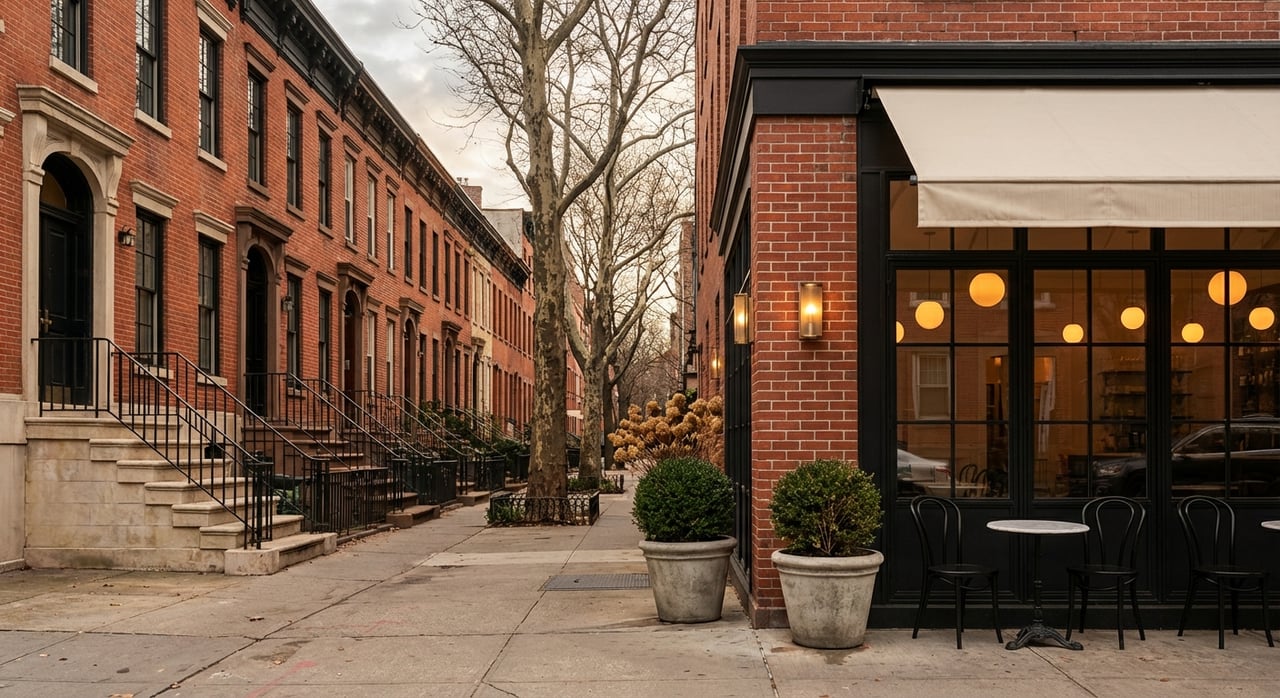
Moving to Harlem and wondering where to start? You want great food, meaningful culture, and everyday ease within a few blocks of home. This guide gives you a clear lay of the land, from marquee arts institutions to soul‑food legends, chef‑driven spots, parks, and transit. You will also find practical tips to plug into neighborhood calendars and markets. Let’s dive in.
Quick orientation to Harlem
Harlem stretches across Central, West, and East Harlem, with 125th Street as its main east–west spine. You will hear locals reference avenues like Malcolm X/Lenox, Frederick Douglass, Adam Clayton Powell Jr., Lexington, and St. Nicholas for dining and daily errands. The neighborhood’s identity is deeply connected to the Harlem Renaissance, a major cultural era that shaped American art, literature, and music. If you enjoy history, reading about the Harlem Renaissance through trusted sources like Britannica is a helpful primer on the neighborhood’s spirit and legacy.
Culture anchors you will return to
Harlem’s cultural life blends research libraries, galleries, performance stages, and community festivals. Start with these pillars and you will quickly build your own rhythm.
Schomburg Center for Research in Black Culture
The Schomburg Center is a leading New York Public Library research hub for Black and African‑diasporic history with exhibitions and public programs. You can attend author talks, view rotating displays, and explore archives that connect global stories to Harlem’s local life. Check the Schomburg calendar for current events and featured exhibits.
Studio Museum in Harlem
The Studio Museum reopened in a new purpose‑built home with a public opening in November 2025, a major milestone for 125th Street. The expanded galleries and programs spotlight Black artists and offer year‑round community engagement. Expect exhibitions, talks, and neighborhood collaborations that make contemporary art feel accessible.
Read the Studio Museum reopening announcement
Apollo Theater
Few venues say Harlem like the Apollo on West 125th Street. From iconic music history to today’s concerts and special events, it is a touchstone for live performance. Keep an eye on the calendar for touring acts, community nights, and seasonal programming.
Harlem Stage and live performance
Harlem Stage presents new work and brings artists and neighbors together through festivals, talks, and performances. It is a smart place to find boundary‑pushing dance, theater, and music close to home. You can browse upcoming shows and community programs by season.
Festivals and marketplaces
Food and culture meet at neighborhood festivals that highlight Harlem chefs, restaurants, and creatives. Harlem EatUp! is a prime example, bringing tastings, pop‑ups, and partners together for a celebratory week. Bookmark event pages early, as tickets and vendor lists update as the season approaches.
Get the latest on Harlem EatUp!
Where to eat in Harlem
Harlem’s dining scene balances legacy soul‑food institutions with chef‑driven kitchens, cafés, and neighborhood wine bars. Mix and match to find your go‑to spots.
Legacy soul‑food favorites
Longstanding restaurants like Sylvia’s on Malcolm X/Lenox Avenue, Melba’s, and Amy Ruth’s anchor neighborhood dining and weekend brunch plans. These places are community gathering points known for classics like fried chicken, waffles, greens, and mac and cheese. Before you go, confirm current menus, hours, and any special music or brunch services directly with the restaurant.
For a rotating snapshot of neighborhood picks, see curated roundups from local dining editors.
Browse a curated Harlem dining map
Chef‑driven and wine‑bar spots
You will also find destination dining that blends live music and community programming with modern comfort cuisine. Red Rooster is often cited in that story, while Vinatería on Frederick Douglass Boulevard reflects the neighborhood’s easygoing wine‑bar energy with Mediterranean‑influenced plates. Together, they show how new entries and beloved institutions share the same streets.
Markets, coffee, and everyday eats
Weekend errands often include a stop at a neighborhood coffee shop, a quick slice, or a produce run. GrowNYC operates Greenmarkets and farmstands across Manhattan, including uptown options that shift seasonally. Check the market map for schedules and locations before you head out.
Find Greenmarkets and farmstands
Walkable corridors and parks
125th Street is the neighborhood’s main commercial corridor, with shopping, transit, and cultural anchors. For restaurants and nightlife, locals often head to Malcolm X/Lenox, Frederick Douglass, Adam Clayton Powell Jr., Lexington, and St. Nicholas. When you need fresh air, Marcus Garvey Park, Morningside Park, St. Nicholas Park, and Jackie Robinson Park offer green space, playgrounds, and seasonal community events.
For neighborhood planning context and updates on corridor priorities, Manhattan Community Board 10 is a helpful reference.
Learn about Community Board 10’s work
Getting around
Harlem is well connected by subway, with several 125th Street stations serving different lines. Because service patterns can change, check real‑time apps or the MTA website before you ride. For regional trips and an alternate commute to Grand Central, the Metro‑North Harlem–125th Street station on Park Avenue serves the Hudson, Harlem, and New Haven lines.
Check the Harlem–125th Street Metro‑North station page
A weekend starter plan
- Morning: Coffee near home, then a stroll through Marcus Garvey Park. If you like markets, see if a GrowNYC stand is open.
- Midday: Explore the Schomburg Center or catch an exhibition at the Studio Museum. Grab lunch at a soul‑food institution nearby.
- Late afternoon: Window‑shop along 125th Street and browse upcoming music lineups at the Apollo.
- Evening: Settle in for dinner at a chef‑driven spot. If there is a neighborhood festival like Harlem EatUp! on the calendar, consider an add‑on tasting or talk.
Make Harlem home with a local guide
Harlem is a neighborhood you feel through its food, arts, and everyday rhythms. When you have a guide who knows the venues, corridors, and little rituals, you settle in faster and enjoy more of what the community offers. If you are weighing streets, building types, or a move that balances culture with convenience, we can help you pinpoint the right fit. To start a conversation about making Harlem home, connect with The Jane Advisory.
FAQs
What defines Harlem’s culture for new residents?
- The neighborhood’s identity is rooted in the Harlem Renaissance, a major period of Black artistic achievement, and continues today through institutions like the Schomburg Center, Studio Museum, the Apollo, and Harlem Stage.
Where can I hear live music on a weekend in Harlem?
- Check calendars for the Apollo, Harlem Stage, and the National Jazz Museum in Harlem, and look at restaurant schedules for occasional live sets.
Which streets are best for dining and daily errands in Harlem?
- Start with 125th Street for shopping and transit, then explore Malcolm X/Lenox, Frederick Douglass, Adam Clayton Powell Jr., Lexington, and St. Nicholas for restaurants, cafés, and services.
What are a few must‑visit cultural stops in Harlem?
- The Schomburg Center for exhibitions and talks, the Studio Museum for contemporary art, the Apollo Theater for performance history and shows, and Harlem Stage for new work and festivals.
How do I find fresh produce and seasonal marketplaces in Harlem?
- GrowNYC runs Greenmarkets and farmstands uptown; check their market map for current schedules and locations before you go.