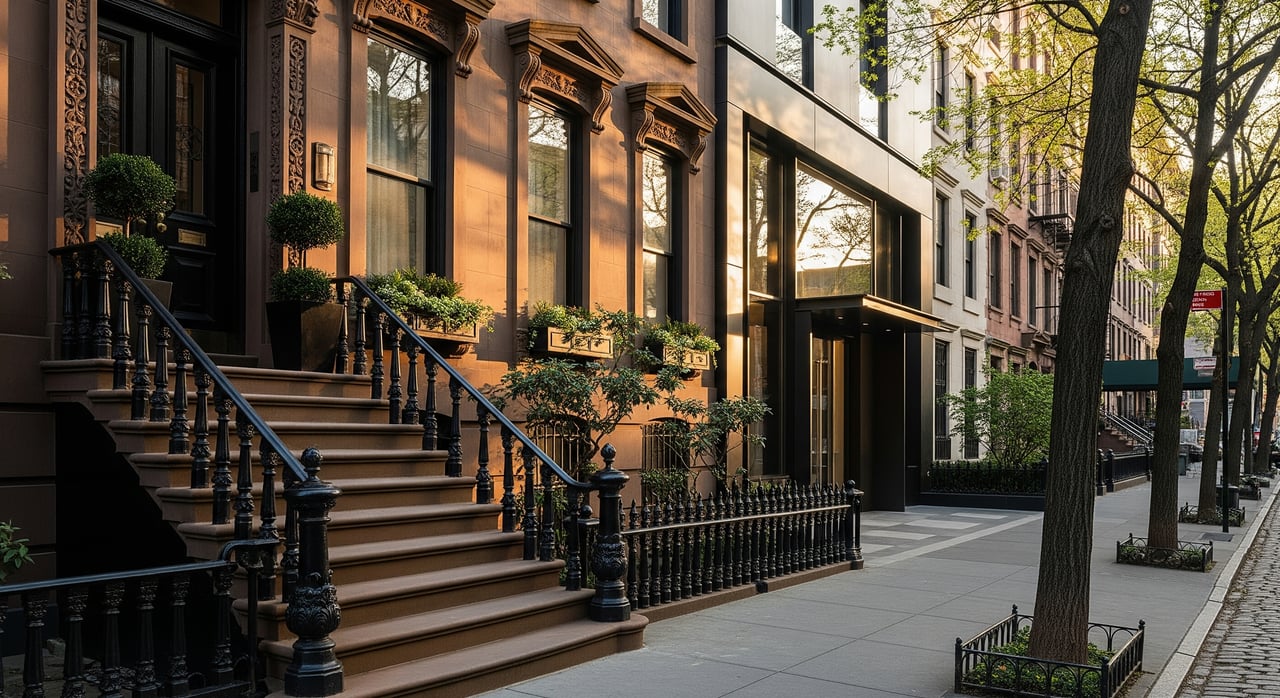
Are you torn between the charm of a West Village townhouse and the ease of a modern condo? You are not alone. Both offer incredible access to tree-lined streets, beloved cafes, and Hudson River sunsets, but the day-to-day experience can feel very different. In this guide, you will learn how privacy, outdoor space, services, rules, and monthly costs compare so you can choose a home that fits your life. Let’s dive in.
West Village housing at a glance
The West Village is low-rise, walkable, and historic. You will find classic rowhouses, brownstones, converted lofts, new luxury condos, co-ops, and a few small rentals. Many blocks fall inside New York City historic districts, which means some exterior work requires approval from the NYC Landmarks Preservation Commission.
In this neighborhood, a townhouse usually means you own the whole fee-simple building and lot. A condo means you own an apartment plus a share of common elements like hallways, elevators, and the roof. Prices and formats vary widely, but townhouses tend to be rarer on the market with higher all-in purchase prices, while condos offer more variety in size and budget.
Privacy and daily flow
Townhouse privacy and access
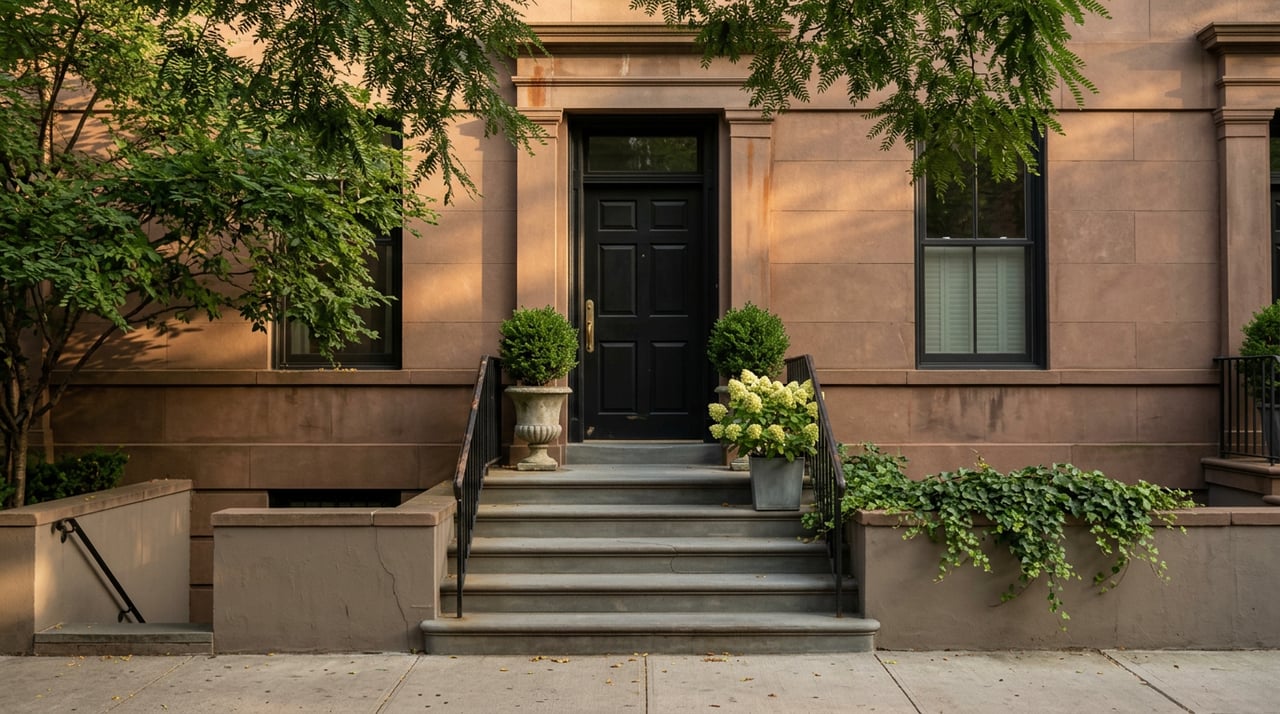
A townhouse gives you a private street entrance and no shared corridors. That means fewer casual interactions, more of a single-home feel, and a direct connection to the sidewalk. The tradeoff is vertical living. Many townhouses span several floors with lots of stairs.
Condo community and security
Condos share a lobby, elevators, and hallways with neighbors. You may interact with people more often, but access control and security are typically stronger with doormen, video systems, and package rooms. Single-floor layouts also make daily circulation simpler.
Noise and neighbors
In a townhouse, you share party walls on either side but usually have no one above or below. Sound transmission depends on construction and any interior work over the years. In condos, you have vertical neighbors, though newer luxury buildings often have better sound insulation.
Stairs and accessibility
Townhouses usually have multiple flights of stairs and no elevator. If mobility or strollers are part of your life, that matters. Condos commonly offer elevators and fewer interior stairs, which can be helpful for aging in place or simplifying daily routines.
Outdoor space and rules
Townhouse gardens and roof use
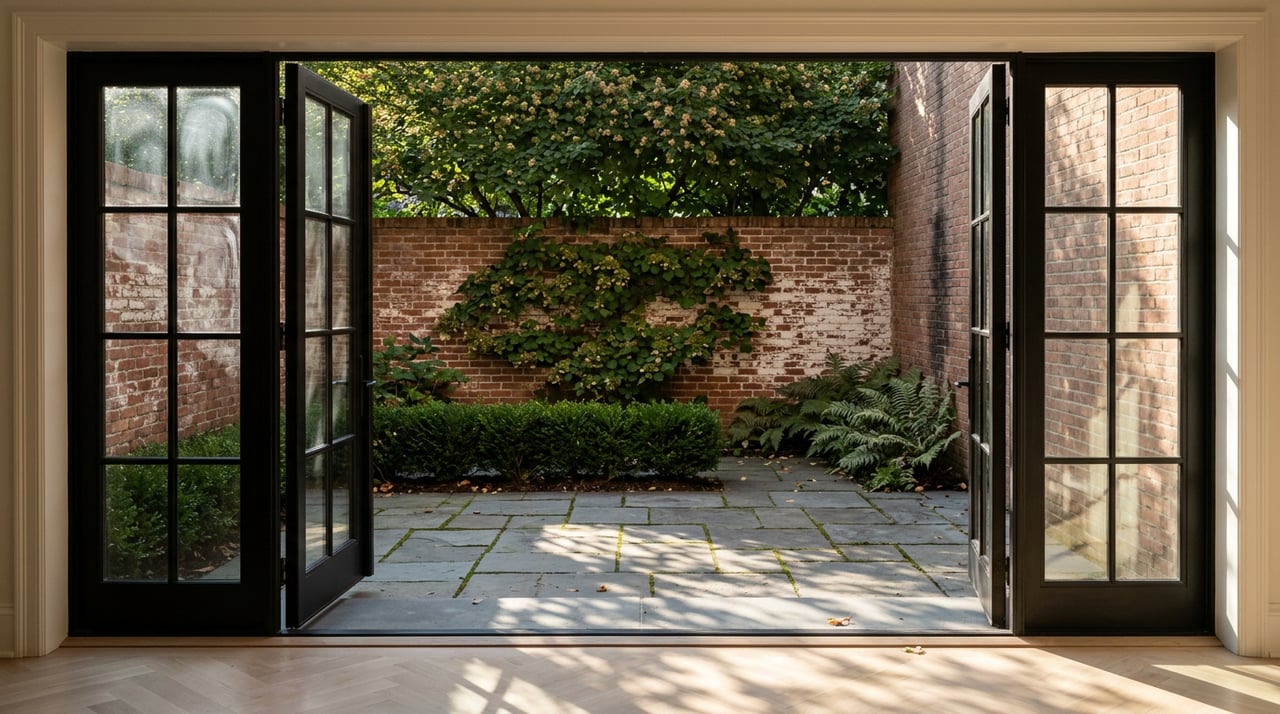
Private rear gardens are a major perk in West Village townhouses. Many owners also explore roof decks, but any rooftop changes must follow zoning and building codes. If the property sits in a historic district, the Landmarks Preservation Commission may require designs that reduce visibility from the street.
Condo terraces and shared decks
In condos, outdoor spaces can include private balconies or larger shared roof decks and courtyards. Privacy, size, and availability vary by building. Use rules are set by the condo and can cover hours, guest limits, and furniture types.
Approvals and permits
Exterior changes visible from the street in a historic district typically require LPC review. Structural or roof work in any property requires permits through the NYC Department of Buildings. Factor both into your timeline and design expectations.
Services and amenities
Staffing and convenience
Townhouses do not come with staff. You will arrange cleaning, repairs, trash management, snow removal, and seasonal care yourself. Condos often have a doorman, superintendent, porters, and a management company, plus amenities like gyms, bike rooms, and community rooms that add ease to daily life.
Rules and control
In a townhouse, you set your own house rules within city codes. In a condo, a board sets policies on pets, renovations, rentals, and noise. Those rules can feel limiting, but they also create consistent standards for neighbors.
Transparency and due diligence
Condo buyers should review the building’s budget, reserve fund, house rules, and recent board minutes. Townhouse buyers should review inspections, system ages, and recent contractor invoices. For either type, you can check permit history and violations with the NYC Department of Buildings.
Monthly costs and financing
What you pay for
- Townhouse costs: mortgage, property taxes, utilities, insurance, repairs, landscaping, snow removal, pest control, and any staff or vendors you hire. You pay vendors directly and control the timing and quality of work.
- Condo costs: mortgage, real estate taxes, utilities for your unit, and monthly common charges that cover building staff, common-area utilities and insurance, management, maintenance, and reserves. Special assessments can occur for major projects.
For property tax specifics on any address, review the NYC Department of Finance property tax search.
Maintenance expectations
Townhouses usually require more hands-on care. A common homeowner rule of thumb is to budget roughly 1 percent to 3 percent of property value per year for maintenance and repairs, especially in older buildings. In condos, monthly common charges vary by unit size and service level. Full-service buildings with doormen and amenities tend to have higher fees.
Financing and resale
Financing a townhouse is similar to financing a single-family home. Condo loans are common in Manhattan and typically do not involve the same approvals required by co-ops. On resale, condos often attract a broader buyer pool, while the townhouse market is smaller but highly motivated for the right properties.
Quick decision guide
Choose a townhouse if you want:
- A private entrance and a home that feels like a house.
- A rear garden and the possibility of a private roof deck.
- Full control over your renovations and vendor choices.
- Independence from building rules and board approvals.
Choose a condo if you want:
- Low-fuss living with staff, security, and package handling.
- Elevators and single-floor layouts for easier access.
- Shared amenities like a gym, roof deck, or storage.
- A lock-and-leave setup for frequent travel.
Due diligence checklist
Use this list to focus your search and protect your budget.
For any property
- What is the current property tax bill and assessment for the last 12 months? Review the NYC Department of Finance.
- Are there outstanding violations or open permits? Check the NYC Department of Buildings.
- How old are the roof, boiler, plumbing, and electrical systems, and when were they serviced or replaced?
- If in a historic district, has the property undergone recent LPC reviews and are any conditions still outstanding? See the NYC Landmarks Preservation Commission.
For townhouses
- Is there any shared easement or HOA arrangement with neighbors?
- Is there a current survey and a complete set of as-built drawings?
- What are average monthly utility costs? Ask for recent bills.
- Are there bids or estimates for near-term capital work like the roof or facade?
- Are there restrictions on rooftop or rear-yard use?
For condos
- What do common charges cover, and how much is in the reserve fund?
- Have there been recent special assessments or planned capital projects?
- What are the house rules on pets, rentals, and renovations?
- Who manages the building, and are recent board minutes available?
- Which amenities are included, and are any subject to extra fees?
For your lifestyle
- How often do you host, and how important is private outdoor space?
- Do you travel frequently and want building staff for deliveries and security?
- Are stairs a daily concern for anyone in your household?
- Do you prefer full control of renovations, or are you comfortable with board and LPC approvals where needed?
The bottom line
Both choices can be right in the West Village. A townhouse gives you privacy, garden living, and complete control, with more hands-on upkeep. A condo offers staff, security, and amenities that make daily life easier, with rules that keep the building running smoothly. The best fit depends on how you live now and how you plan to live in the years ahead.
If you want a trusted, human-first guide through West Village townhouses and condos, connect with The Jane Advisory. We will help you match the right home to your routines, design goals, and budget.
FAQs
What is the main difference between a West Village townhouse and a condo?
- A townhouse is fee-simple ownership of the entire building and lot, while a condo is ownership of an individual apartment plus shared common areas.
How do historic district rules affect West Village renovations?
- Exterior changes visible from the street usually require approval from the NYC Landmarks Preservation Commission, which can add time and design constraints.
Do townhouses or condos cost more each month in the West Village?
- It depends on the property. Townhouses carry direct maintenance and utilities, while condos charge monthly common fees that reflect staffing, amenities, and reserves.
Are roof decks easier to add on a townhouse or a condo?
- Townhouse roof decks are possible but require permits and, in historic districts, LPC review. Condo roof access depends on the building’s design and board rules.
Where can I check property taxes for a specific address in Manhattan?
- Use the NYC Department of Finance property tax search to review the current bill and assessment.
What due diligence should I do before buying a condo in the West Village?
- Review common charges, reserve funds, recent assessments, house rules, board minutes, and DOB records, and confirm what amenities are included and at what cost.