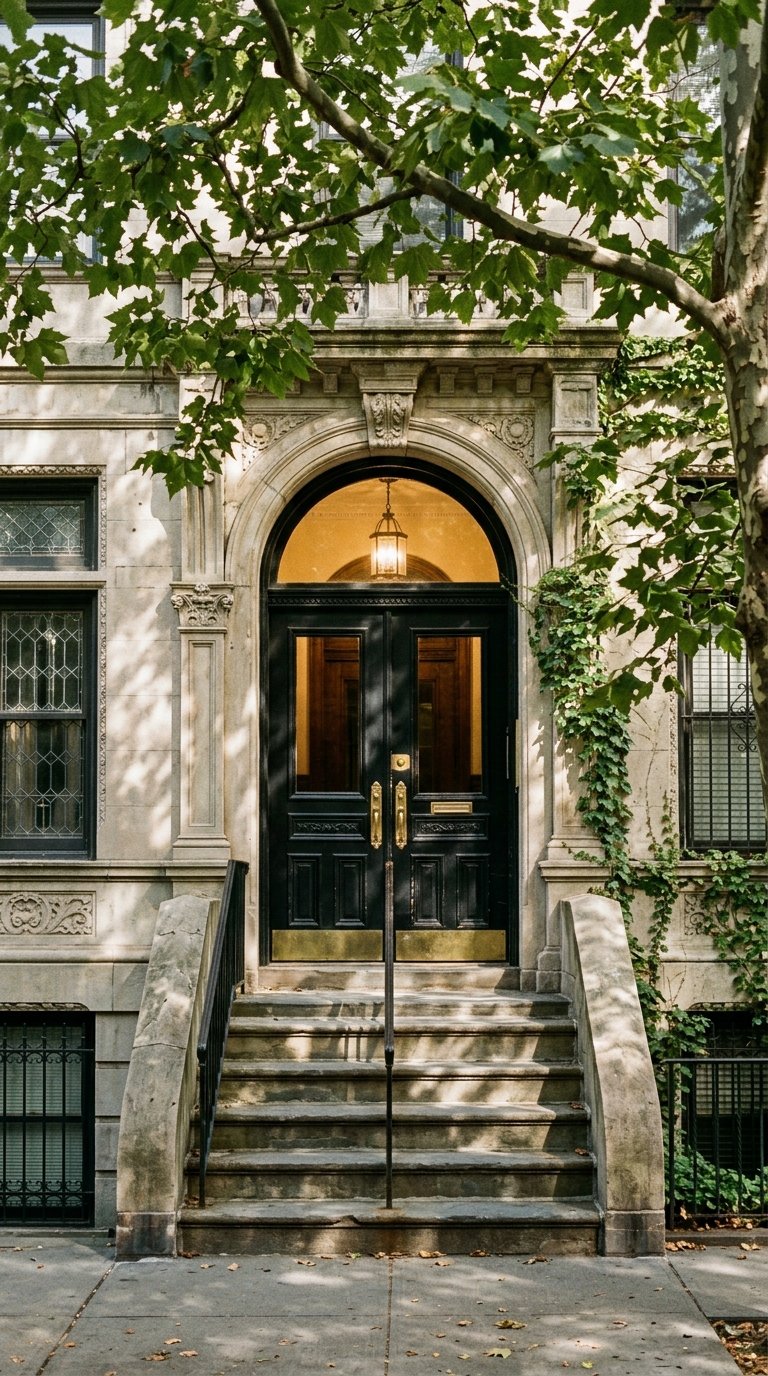
If you love the idea of living somewhere that feels both residential and deeply connected to New York culture, the blocks near Museum Mile stand out fast. This part of the Upper East Side gives you daily access to major museums, multiple Central Park entry points, and reliable transit without losing that classic neighborhood feel. If you are weighing a move here, it helps to understand how the area works in real life, not just on a map. Let’s dive in.
Where Museum Mile Sits on the Upper East Side
Museum Mile runs along Fifth Avenue on the Upper East Side, with a concentration of major institutions stretching from the low 80s into the low 100s. Official locations place The Met at 82nd Street, the Guggenheim at 88th and 89th Streets, Cooper Hewitt at 91st Street, the Jewish Museum at 92nd Street, the Museum of the City of New York at 103rd Street, and El Museo del Barrio at 104th Street.
What makes this area distinct is that the museum corridor is not separate from neighborhood life. It sits inside a residential part of Manhattan that includes nearby sections of Lenox Hill, Carnegie Hill, and Yorkville within Manhattan Community Board 8. In practice, that means your everyday setting can include townhouse-lined blocks, park access, and a cultural destination on the same walk.
A Culture-Forward Daily Rhythm
Living near Museum Mile often means culture becomes part of your routine rather than a special occasion. Instead of planning a full-day outing downtown, you may find yourself fitting in a museum visit after work, meeting a friend near Fifth Avenue, or spending part of a weekend moving between the park and an exhibit.
That is one of the biggest lifestyle draws here. The museums are concentrated enough that the area feels active and visually rich, but the surrounding side streets still read as residential. If you value a neighborhood that offers stimulation without requiring constant planning, this part of the Upper East Side has a strong case.
Central Park Shapes Everyday Life
Central Park is a major part of what living near Museum Mile feels like. The park is open daily from 6:00 a.m. to 1:00 a.m. year-round, which gives you a wide window for morning, midday, or evening routines.
On the east side near Museum Mile, several well-known park spaces are easy to work into daily life. The Jacqueline Kennedy Onassis Reservoir offers a 1.58-mile pedestrian track, the East Meadow stretches between 97th and 100th Streets, and the Conservatory Garden spans 104th to 106th Streets as a designated Quiet Zone.
That mix matters. You are not limited to one kind of park experience. Depending on where you live near Museum Mile, your routine might include:
- A morning reservoir loop
- A reading break or picnic on the East Meadow
- A quieter stroll through the Conservatory Garden
- A quick walk through the park before or after a museum visit
Fifth Avenue vs Side Streets
One practical way to think about this area is to separate Fifth Avenue from the nearby residential blocks. Fifth Avenue near Museum Mile carries the identity of the corridor itself, with institutions, visitors, and landmark buildings creating a more active edge.
Move onto the side streets and the feeling often shifts. The research suggests the blocks closest to Fifth Avenue can feel more active because of the concentration of museums, while park-facing and interior side streets tend to feel more residential. For many buyers, that balance is the appeal. You can be close to the energy without living in the middle of it every minute.
Historic Character Is Part of the Setting
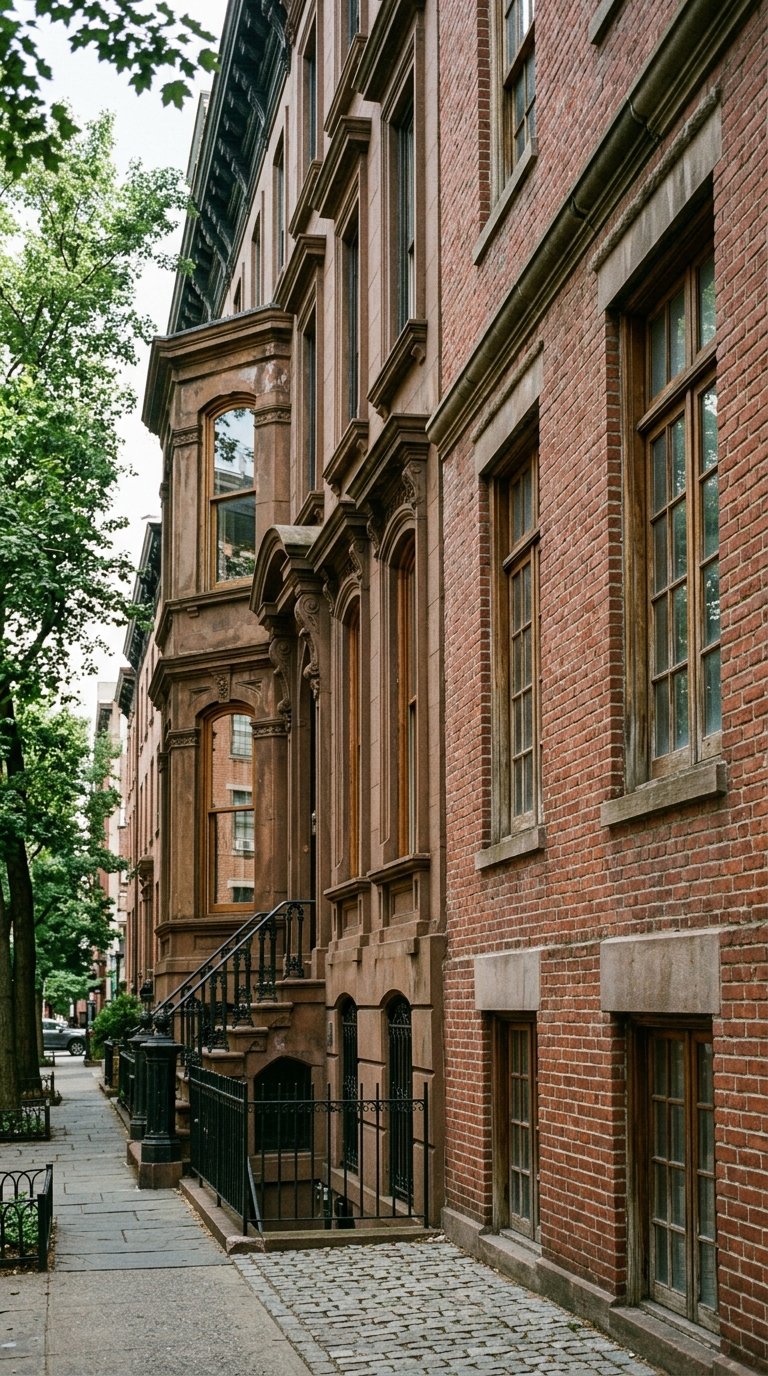
The built environment around Museum Mile plays a big role in the neighborhood’s appeal. Landmarks Preservation Commission maps show the Upper East Side Historic District and the Carnegie Hill Historic District in this part of Manhattan, and the city defines historic districts as collections of landmark buildings that create a distinct sense of place.
For you as a resident, that often translates into a more cohesive streetscape and a strong visual identity. The neighborhood can feel established and architecturally consistent in a way that many buyers find reassuring. Even if your home search focuses on a specific building type, the surrounding context is part of the experience you are buying into.
Getting Around Is Straightforward
Transit is one of the practical strengths of living near Museum Mile. Subway access on the Upper East Side includes the 4 and 5 as Lexington Avenue express trains, the 6 as the Lexington Avenue local, and the Q with stations at 86th Street and 96th Street on the Upper East Side.
Museum visitor information lines up with that same pattern. The Met directs East Side visitors to the 4, 5, or 6 at 86th Street, while the Guggenheim and Cooper Hewitt also point riders toward the 4, 5, 6, and bus service along Fifth and Madison.
For daily life, that gives you options rather than a single transit bet. Depending on your exact address, you may rely on:
- The 4 or 5 for faster express service
- The 6 for local Lexington Avenue stops
- The Q for Second Avenue access at 86th or 96th Street
- M1 through M4 or nearby crosstown bus connections
Ferry Access Adds Another Option
If you live farther east, the neighborhood also has a ferry connection worth knowing. The East 90th Street NYC Ferry landing sits at East 90th Street and FDR Drive on the Rockaway-Soundview route, with M31 and M86-SBS connections listed at the landing.
This will not replace the subway for everyone, but it does add flexibility. For some residents, especially those closer to the river, it can be a useful option for certain downtown or cross-town trips. In a city where backup matters, more than one good way to get around is a real quality-of-life advantage.
What the Residential Profile Suggests
The Upper East Side neighborhood report points to a relatively stable residential environment by New York City standards. It reports rent-burdened households at 38.9 percent, child poverty at 2.0 percent, child lead poisoning at 3.3 per 1,000 tested, and asthma hospitalization rates that are lower than most neighborhoods.
These figures do not tell the whole story of the housing market, but they do help explain why many people experience the area as established and long-term rather than highly transient. If you are looking for a neighborhood with staying power, that broader context matters.
Who This Area Often Appeals To
Living near Museum Mile can work especially well if you want your home base to support a very specific Manhattan lifestyle. This is less about nightlife-driven living and more about ease, beauty, routine, and access to culture and green space.
You may feel especially drawn to this part of the Upper East Side if you want:
- Regular access to Central Park
- Museums woven into your weekly routine
- Strong transit options on both the Lexington Avenue and Second Avenue corridors
- A neighborhood setting with a recognizable historic character
- Residential blocks that still feel connected to the rest of Manhattan
What To Keep in Mind When Home Searching Here
As with many Manhattan neighborhoods, the micro-location matters. A home near Fifth Avenue may offer a more immediate connection to the museums and park, while a home farther east may trade some of that proximity for different transit or ferry convenience.
It is also helpful to think beyond a building and consider the daily pattern you want. Do you picture morning walks in the park, easy museum access, faster subway options, or quieter side streets? Near Museum Mile, those choices can shift block by block, and that is exactly why neighborhood-level guidance makes such a difference.
Why Museum Mile Has Lasting Appeal
What makes living near Museum Mile special is not just the presence of major institutions. It is the way culture, park access, residential character, and transit all sit close together in one section of the Upper East Side.
For many buyers, that creates a version of Manhattan living that feels both elevated and livable. You get a neighborhood with a clear identity, strong daily conveniences, and the kind of setting that rewards being out in the city, even for simple routines.
If you are thinking about buying or selling on the Upper East Side and want help matching your lifestyle to the right block, building, or pocket of the neighborhood, connect with The Jane Advisory.
FAQs
What is Museum Mile on the Upper East Side?
- Museum Mile is the stretch of Fifth Avenue on the Upper East Side that includes major cultural institutions such as The Met, the Guggenheim, Cooper Hewitt, the Jewish Museum, the Museum of the City of New York, and El Museo del Barrio.
What is it like to live near Museum Mile in Manhattan?
- Living near Museum Mile often means having an easy mix of museum access, Central Park routines, residential side streets, and multiple transit options in one part of the Upper East Side.
Which parks and green spaces are near Museum Mile?
- Nearby Central Park destinations on the east side include the Jacqueline Kennedy Onassis Reservoir, the East Meadow, and the Conservatory Garden, with the park open daily from 6:00 a.m. to 1:00 a.m.
What transit options serve the Museum Mile area?
- The area is served by the 4, 5, and 6 trains on Lexington Avenue, the Q train at 86th Street and 96th Street, bus service along Fifth and Madison, and the East 90th Street NYC Ferry landing farther east.
Does Museum Mile feel busy or residential?
- Both can be true. Fifth Avenue near the museums tends to feel more active, while nearby side streets and many park-facing blocks generally feel more residential.
Why do buyers consider living near Museum Mile?
- Buyers are often drawn to the combination of cultural access, Central Park proximity, historic district context, and practical transportation across the Upper East Side.