Wondering how much Harlem’s architecture should shape your home search? It matters more than many buyers expect, because in Harlem, style is closely tied to layout, ownership structure, renovation options, and even the kind of approvals you may need down the road. If you are considering a townhouse, a prewar co-op, or a newer condo, understanding the building type can help you buy with more clarity and confidence. Let’s dive in.
Harlem Architecture Starts With Eras
Harlem is best understood as a collection of architectural eras, not one single look. Across the neighborhood, late-19th-century row-house development, later apartment construction, and preservation of cultural history all overlap.
The New York City Landmarks Preservation Commission identifies multiple Harlem historic districts, including Central Harlem-West 130th-132nd Streets, Dorrance Brooks Square, Hamilton Heights, Hamilton Heights/Sugar Hill, Mount Morris Park, and St. Nicholas. For you as a buyer, that means the block, building type, and exact address can all shape what daily life feels like and what future changes may be possible.
Brownstones and Row Houses in Harlem
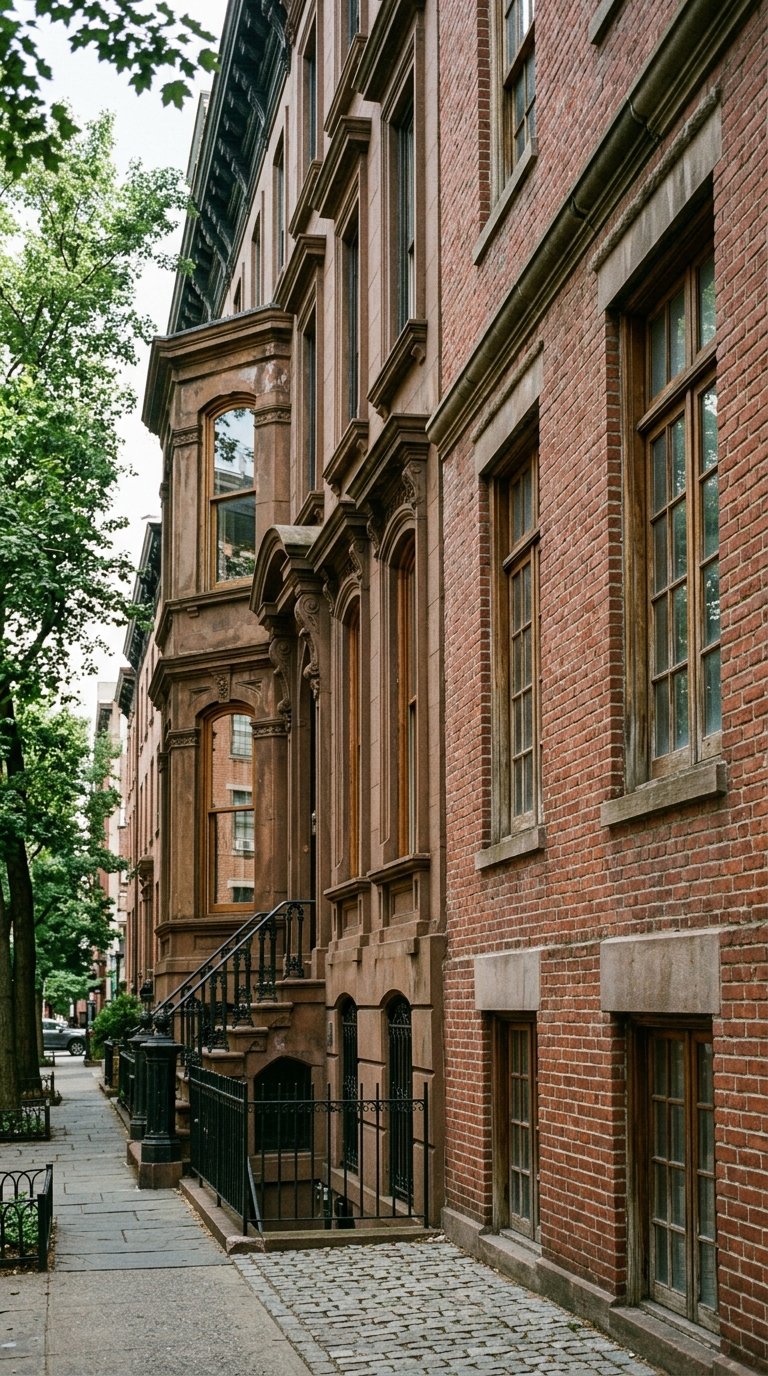
When people talk about Harlem brownstones, they are usually referring to the façade material on a row house or townhouse, not a separate building category. Many classic Harlem blocks include 3-story-over-basement row houses in brownstone or brick, often with stoops, areaways, cornices, bay windows, and details tied to neo-Grec, Queen Anne, Renaissance Revival, and Romanesque Revival styles.
Some row houses also feature mansard roofs, which were used to create more usable space on upper levels. These details give many homes their visual character, but they also affect how the home functions.
What Row House Living Often Feels Like
Attached row houses on narrow urban lots usually feel more vertical than apartment living. You may find a more compartmentalized layout, with rooms arranged floor by floor rather than across a single level.
Stoops, front setbacks, and areaways can also influence privacy and daylight. That does not mean every Harlem townhouse lives the same way, but the building form often shapes your experience in practical ways.
Why Buyers Are Drawn to Them
For many buyers, the appeal is the combination of architectural character and scale. Original details, a defined entry sequence, and the sense of living in a house rather than an apartment can be a major draw.
At the same time, it helps to look past the romance and assess how the layout works for your real life. A beautiful façade does not automatically mean the floor plan will suit how you want to live.
Prewar Apartments and Co-ops
Harlem also has a strong stock of prewar apartment buildings, including examples in districts like Dorrance Brooks Square. These buildings often reflect late-19th- and early-20th-century styles, with Renaissance Revival and Beaux-Arts motifs appearing in their design.
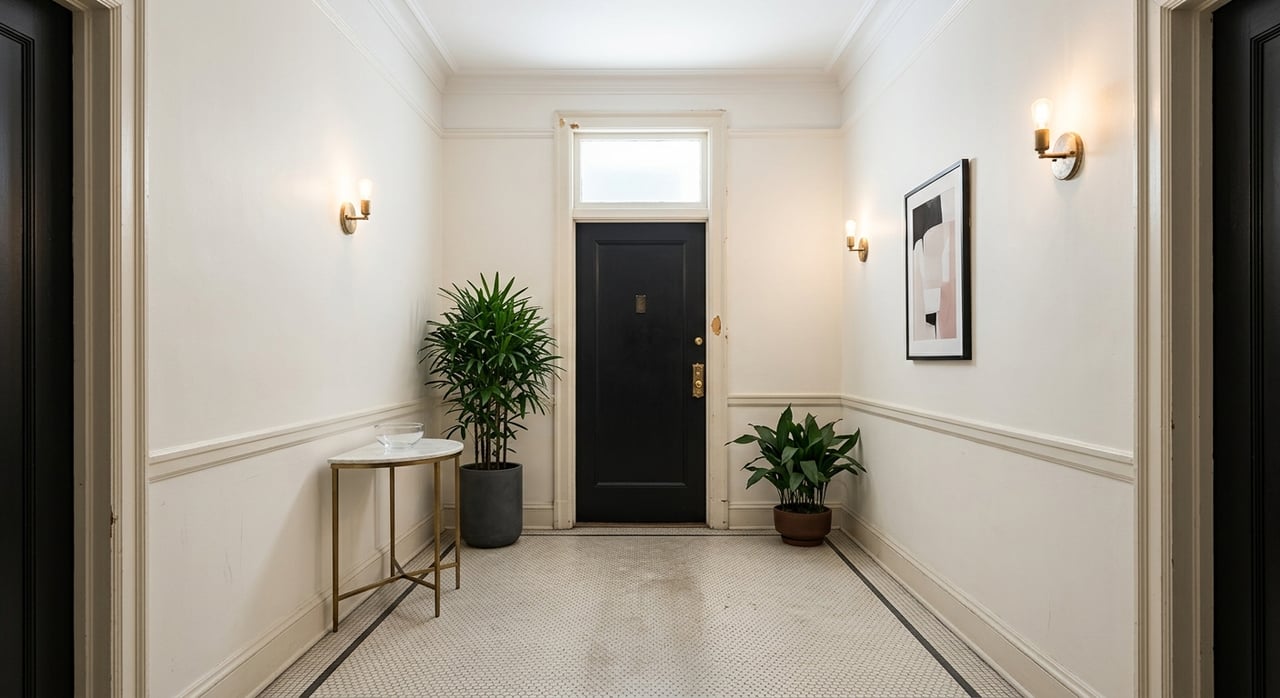
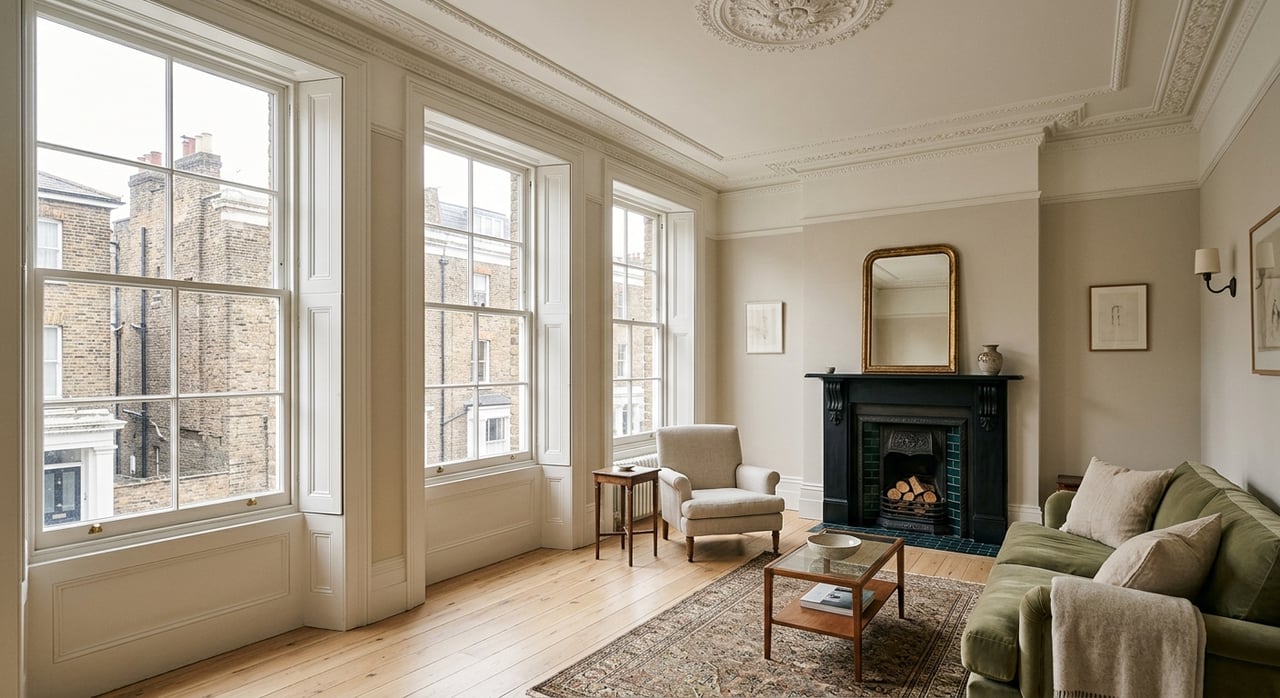
For buyers, prewar often signals a certain interior feel. Apartments in this category are often associated with generous layouts, high ceilings, thick walls, hardwood floors, and decorative moldings or fireplaces.
What Prewar Can Mean Day to Day
If you love older architecture but do not need an entire townhouse, a prewar apartment may offer a compelling middle ground. You may get more classic proportions and decorative detail than you would in many newer buildings.
That said, the exterior style is only one part of the story. The ownership structure can matter just as much as the architecture itself.
Co-op vs Condo Matters
A prewar building may be a co-op, rental, or condo. In New York, buying in a co-op means purchasing shares in a corporation tied to a specific apartment and receiving a proprietary lease.
The New York Attorney General recommends reviewing the full offering plan and the building’s physical condition, including the façade, roof, windows, electrical, plumbing, and heating or cooling systems. For you, this means a lovely prewar apartment should be evaluated not just for charm, but also for the building systems and ownership framework behind it.
Why Approval Paths Can Differ
Condos generally offer more flexibility than co-ops because condo boards have less power, which often makes buying, selling, and subletting easier. So even if two Harlem homes have a similar prewar look and layout, your experience may differ based on whether one is a co-op and the other is a condo.
This becomes especially important if you hope to renovate. Before you fall in love with a kitchen vision or a wall removal plan, it helps to understand what approvals the building may require.
Newer Condos and Infill Buildings
Not every Harlem home fits a historic mold. Newer condo stock in Harlem is often infill-scale or mid-rise rather than townhouse-scale, and these buildings tend to present a different set of priorities.
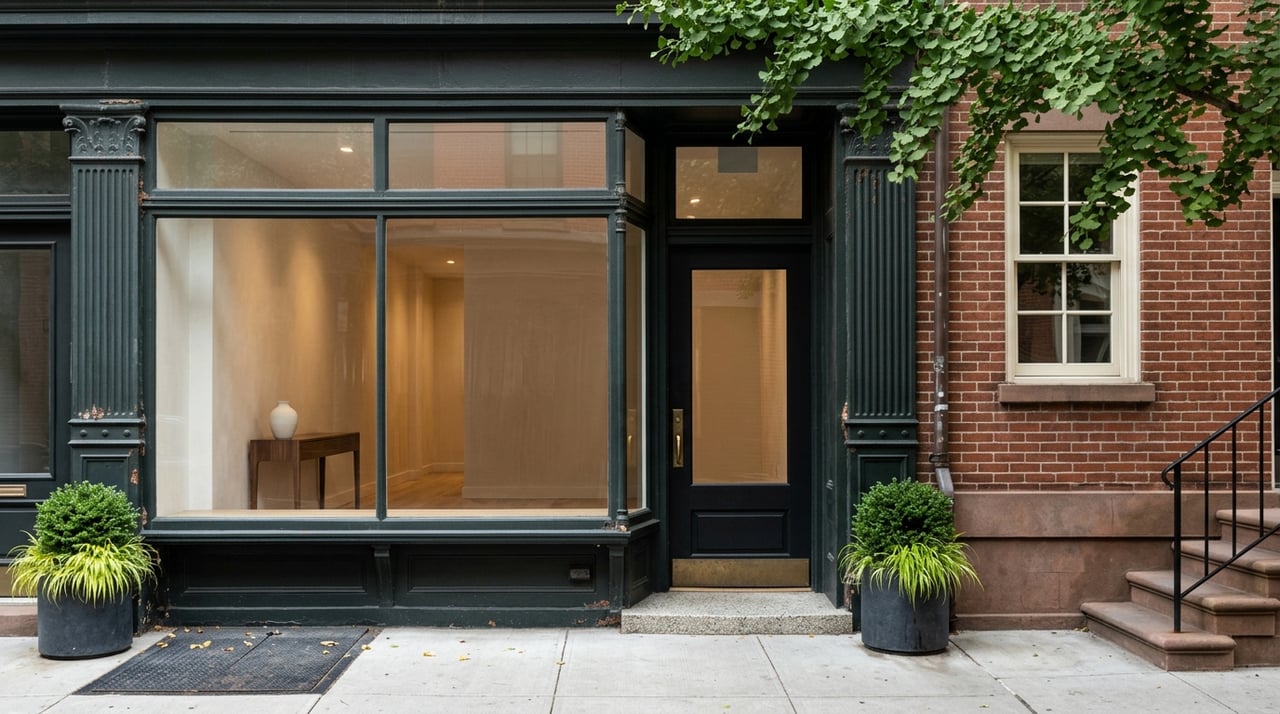
Examples highlighted in the research include a small central Harlem building with an all-glass façade and a 13-story mixed-use condo on East 125th Street with larger-than-average affordable units, retail, medical office space, and amenities. Together, these examples point to a newer building style that often emphasizes light, efficiency, and amenity-driven living over preserved ornament.
What Newer Buildings May Offer
If your taste runs more contemporary, a newer condo may feel easier to live in from day one. Open interiors and fewer legacy layout constraints can appeal to buyers who want a more streamlined space.
For some buyers, that tradeoff is worth it. You may give up some historic detailing, but gain a layout and finish profile that aligns better with modern routines.
Historic Rules Can Still Apply
New construction does not always mean total freedom. If a newer building sits within a historic district or affects a designated property, Landmarks Preservation Commission rules can still shape exterior and visible work, including façade changes, windows, and rooftop additions.
That is why it is important not to assume that newer automatically means simpler. The context of the building still matters.
How Architecture Affects Your Buying Decision
In Harlem, architecture is not just about curb appeal. It often affects light, circulation, privacy, and how easily you can make future changes.
A preserved row house may offer strong character and a house-like lifestyle, but also a more vertical layout and more exterior oversight if landmark rules apply. A prewar apartment may bring classic proportions and detail, but your flexibility can depend heavily on whether the home is in a co-op or condo. A newer condo may feel more turnkey and contemporary, but it may still come with building or district constraints.
This is where a thoughtful search strategy matters. The best match is usually not the most photogenic option on paper, but the one that fits how you want to live and what level of future work you are comfortable taking on.
What to Check Before You Renovate
If you think you may want to update a Harlem property after closing, it is smart to investigate early. A few key checks can save time and avoid false assumptions.
Confirm Landmark Status First
Check the exact address on the Landmarks Preservation Commission’s Manhattan historic-district map. Harlem includes several designated districts, and the rules and architectural context can vary from one area to another.
If the building is landmarked or located in a historic district, read the designation report. The commission notes that these reports document the physical appearance that forms the basis for future alteration review.
Review Building Documents Carefully
If you are buying in a co-op or condo, review the offering plan and board documents before assuming you can freely change walls, kitchens, bathrooms, or windows. The New York Attorney General specifically urges buyers to study both the building’s disclosure materials and its physical condition.
This step matters even if the apartment looks move-in ready. Future plans can be affected by rules that are not obvious during a showing.
Check the Certificate of Occupancy
If you plan to combine spaces or change how part of the property is used, check the certificate of occupancy. The New York City Department of Buildings states that the certificate of occupancy describes the legal use and type of permitted occupancy.
That can be especially important in multifamily or mixed-use contexts. It is a foundational document, not just a formality.
Bring in Experts Early
For any project involving structure, windows, roofs, stoops, or other visible exterior elements, it is wise to consult an architect and contractor early. Landmarks review and building-board approval can both influence what is realistic.
The earlier you understand those boundaries, the better you can evaluate whether a property supports your goals. That clarity can make your buying decision feel far more grounded.
A Smarter Way to Tour Harlem Homes
As you tour Harlem properties, try to look at each home through two lenses at once. The first is emotional: how the space feels, how the light moves, and whether the architecture resonates with you.
The second is practical: how the building type shapes ownership, maintenance, privacy, and renovation potential. In Harlem, those two lenses belong together.
When you understand the difference between a landmarked row house, a prewar co-op, and a newer condo infill building, you are better equipped to spot the right fit. And in a neighborhood with as much architectural range as Harlem, that knowledge can be a real advantage.
If you are exploring Harlem and want a thoughtful, design-minded perspective on how building type, layout, and ownership structure intersect, The Jane Advisory can help you match the architecture you love with the way you actually want to live.
FAQs
What kinds of architectural styles will you see in Harlem as a homebuyer?
- Harlem includes late-19th-century row houses, prewar apartment buildings, and newer condo or infill development, with styles and building forms varying by block and historic district.
What does “brownstone” usually mean in Harlem real estate?
- In Harlem, brownstone usually refers to the façade material on a row house or townhouse, not a separate building type.
What should you know about Harlem prewar co-ops before buying?
- A Harlem prewar co-op may offer classic layouts and detail, but you should also review the offering plan, building condition, and board documents carefully because ownership structure affects your rights and responsibilities.
Can you renovate a landmarked Harlem townhouse or apartment?
- If a Harlem property is individually landmarked or located in a historic district, exterior work and some changes affecting the exterior usually require review by the Landmarks Preservation Commission before work begins.
Why does co-op versus condo matter in Harlem?
- In Harlem, two similar apartments can come with very different approval processes because condos generally offer more flexibility than co-ops for buying, selling, subletting, and certain renovations.
What should you check before planning changes to a Harlem property?
- Start by confirming landmark status, reading any relevant designation report, reviewing co-op or condo documents, checking the certificate of occupancy, and consulting an architect or contractor early for projects involving structure or visible exterior elements.