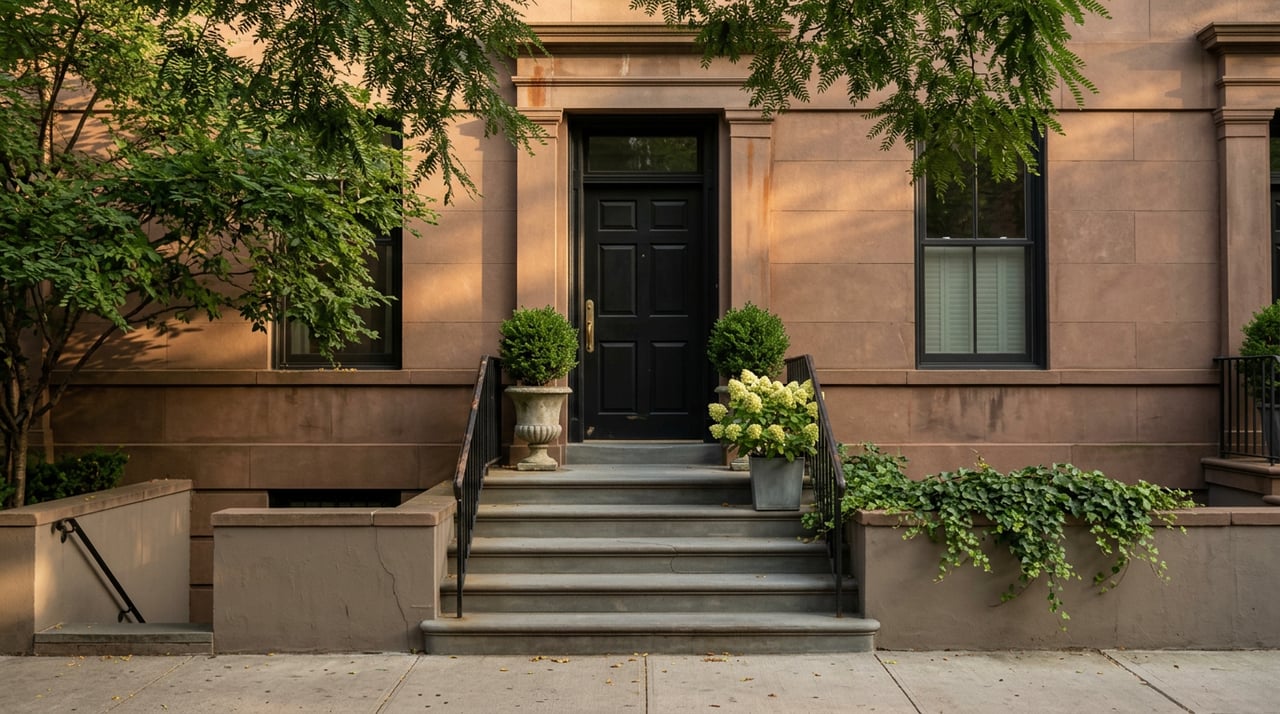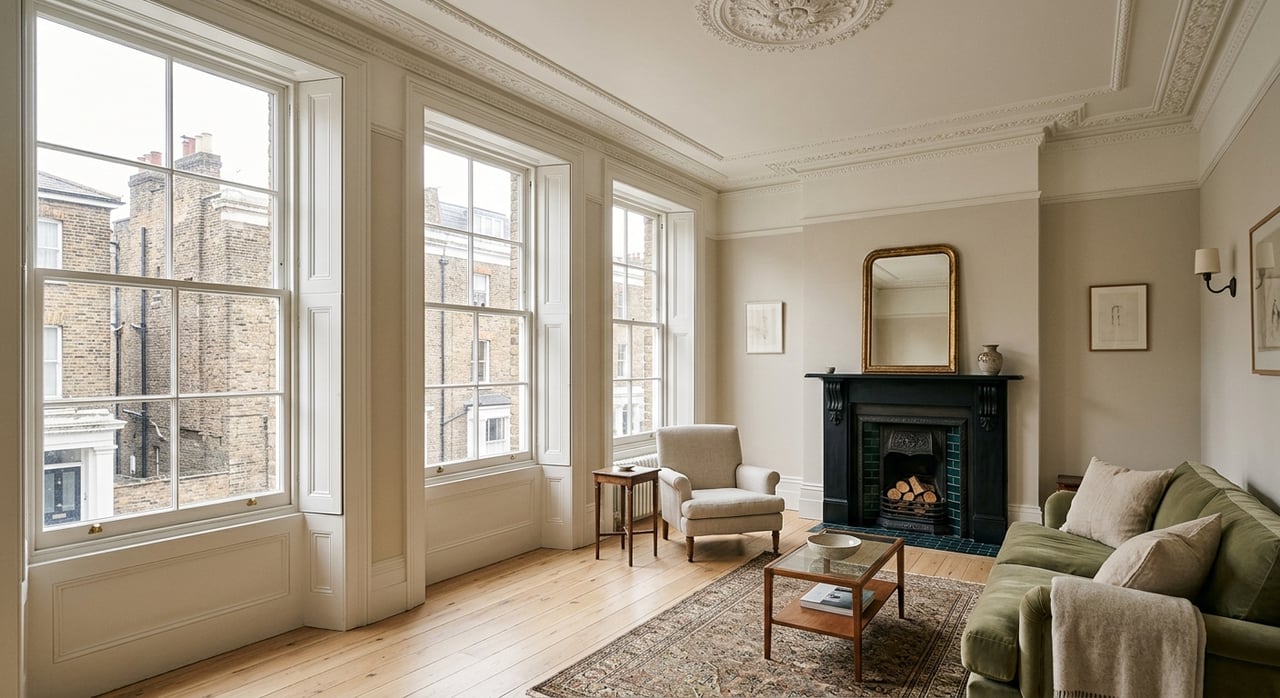
Selling a Harlem brownstone is rarely just about putting a home on the market. It is about presenting a property with history, character, and paperwork that all need equal care. If you want to sell thoughtfully and avoid preventable delays, a clear plan can help you protect the home’s story while making it easier for buyers to say yes. Let’s dive in.
Start With Landmark Status
Before you plan repairs or refreshes, confirm whether your brownstone sits in a designated historic district. In Harlem, that can include areas such as the Central Harlem–West 130th–132nd Streets Historic District, and the New York City Landmarks Preservation Commission provides maps and designation reports to verify a specific address.
This step matters because exterior work may need LPC review even when it would not require a Department of Buildings permit. Front and rear facade changes often fall into that category, so it is smart to check first rather than assume a project is simple.
Not every task triggers approval. Ordinary repairs such as replacing broken window glass, repainting an exterior to match the existing color, and caulking around windows and doors generally do not require LPC approval.
Price for Your Block, Not Just Harlem
Harlem remains active, but it is not a one-number market. Recent neighborhood data vary by source, with Redfin reporting a median sale price of $874,706 and 128 days on market, Realtor.com reporting homes selling for 98% of asking price with a 62-day median, and Zillow reporting an average home value of $806,350, a median list price of $831,333, and 138 days to pending.
Those differences are not just noise. They are a reminder that your pricing strategy should rely on current, block-level comparable sales and your specific property condition, rather than broad neighborhood averages alone.
For a brownstone, details such as preservation status, facade condition, original architectural elements, and the quality of past updates can shape buyer response in a big way. Thoughtful pricing should reflect those factors from day one.
Focus on Low-Friction Improvements
When you prepare a Harlem brownstone for sale, the goal is not always a major overhaul. In many cases, the best pre-listing work is visible, practical, and relatively straightforward.
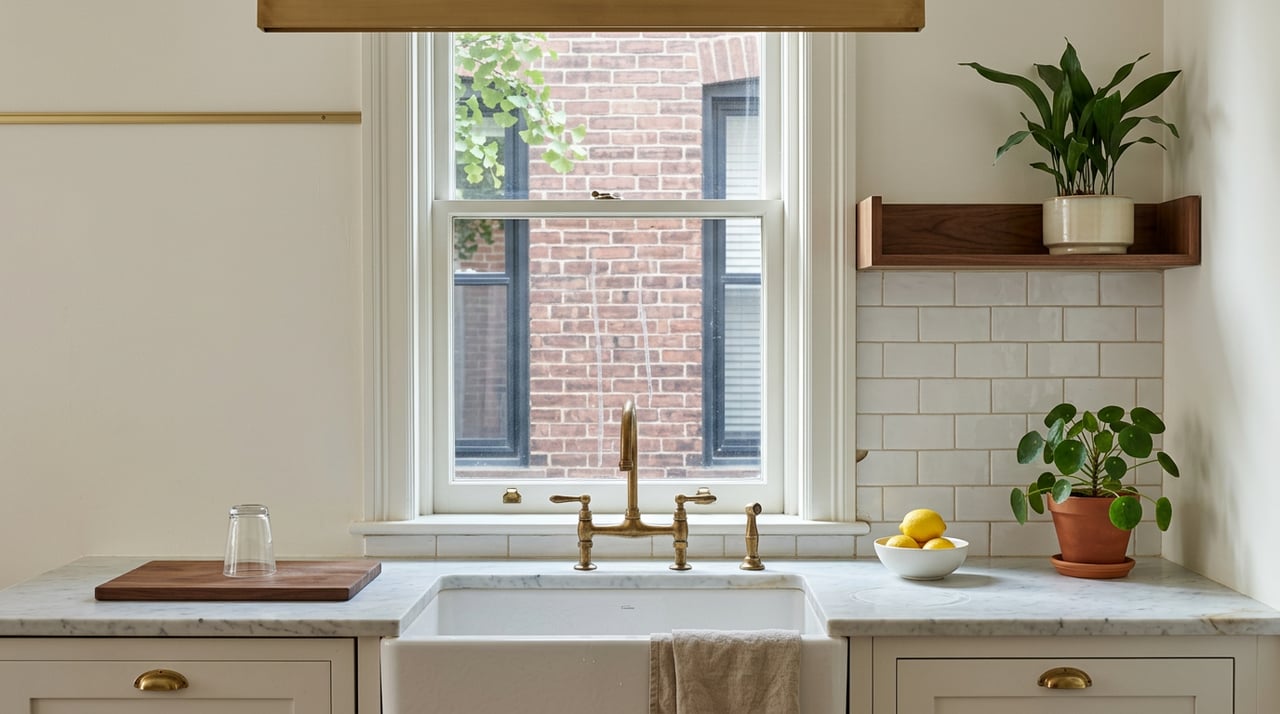
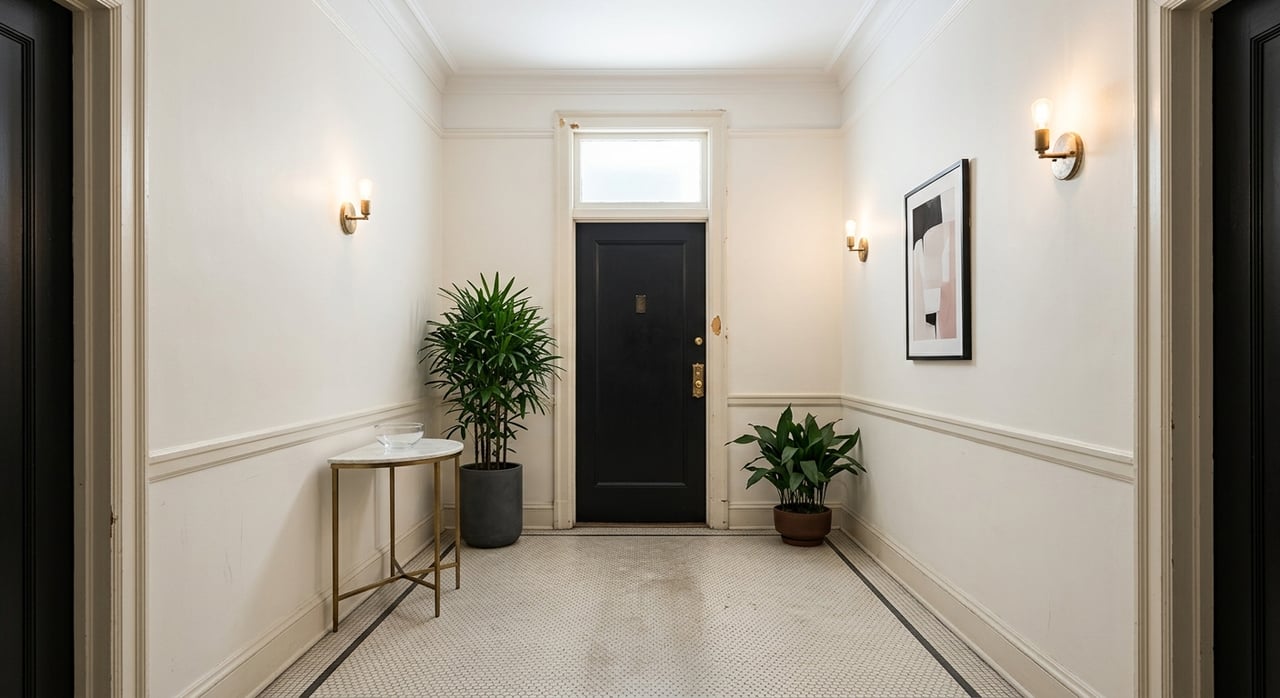
According to the NYC Department of Buildings, work that usually does not require a DOB permit includes painting, plastering, installing new cabinets, replacing plumbing fixtures, resurfacing floors, and non-structural roof repair. These updates can help a home feel cleaner, brighter, and more cared for without automatically pushing you into a larger approval process.
That said, permit-free does not mean rule-free. Contractors performing home improvements must still hold the appropriate NYC Home Improvement Contractor license, and some plumbing work must be completed by a Licensed Master Plumber.
If your scope moves beyond cosmetic work, DOB may require plans filed by a New York State licensed Professional Engineer or Registered Architect. That is one reason many sellers benefit from deciding early what is truly worth doing before listing.
Smart Pre-Listing Priorities
A focused prep plan often includes:
- Fresh paint where needed
- Plaster repair for visible wall or ceiling wear
- Floor resurfacing if the finish looks tired
- Cabinet updates or minor kitchen refinements
- Plumbing fixture replacement where finishes feel dated
- Non-structural roof repairs if maintenance is overdue
These kinds of improvements can make the home photograph better, show more cleanly, and feel easier for buyers to understand.
Respect Original Brownstone Character
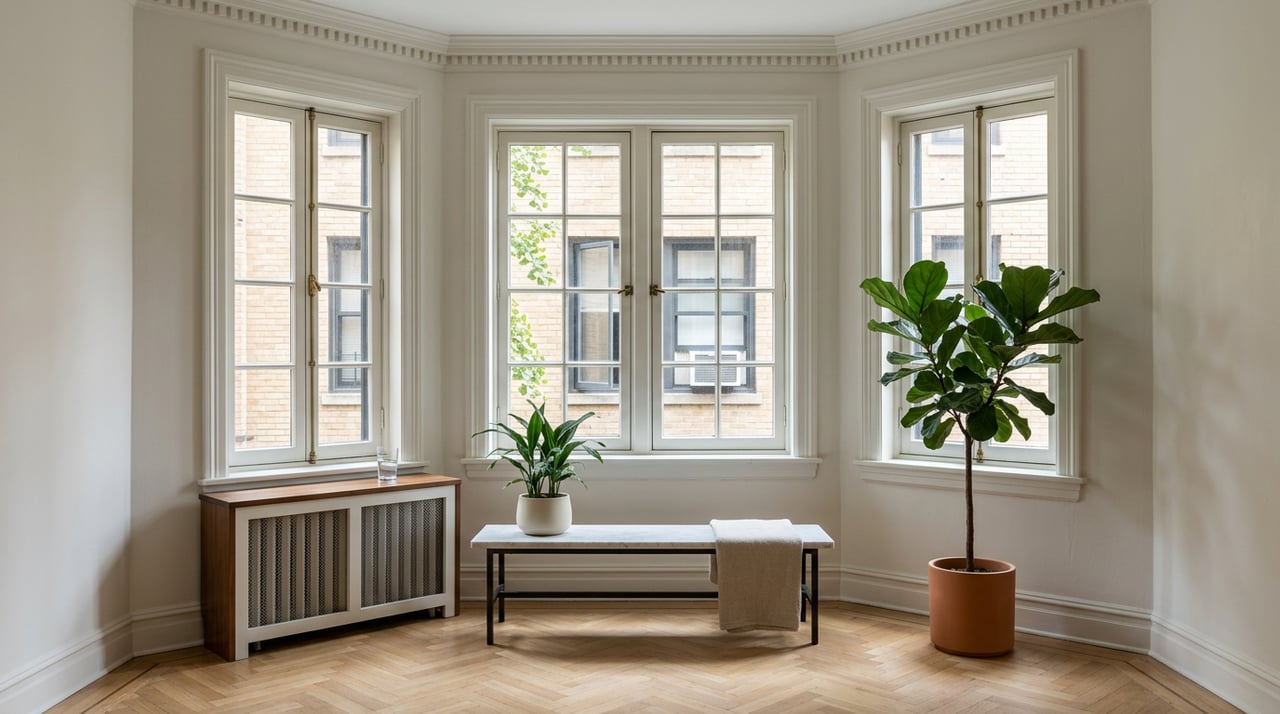
One of the biggest strengths of a Harlem brownstone is often the architecture itself. Original windows, doors, trim, and surrounding details contribute to the property’s character, and the LPC rowhouse guidance emphasizes their importance.
If your brownstone is in a historic district, existing historic windows in fair or good condition can often be repaired and retrofitted rather than replaced. LPC also notes that simple repairs and retrofits can be done together, which may improve comfort and energy efficiency while preserving authenticity.
From a sales perspective, this is also a staging lesson. Buyers should be able to read the home’s original details clearly, without heavy furniture, oversized decor, or mismatched replacements competing for attention.
Staging With Architectural Details in Mind
Try to let the home’s best elements lead:
- Keep sightlines open around fireplaces, moldings, and tall windows
- Use scaled furniture that does not crowd room proportions
- Minimize visual clutter on mantels and built-ins
- Choose decor that supports, rather than masks, historic details
- Avoid styling choices that fight the home’s age and texture
A thoughtful presentation does not need to feel overly formal. It should simply help buyers notice what makes the house special.
Plan Early for Lead Paint Rules
Many Harlem brownstones were built before 1978, which makes lead-based paint rules an important part of sale prep. If that applies to your property, buyers and renters of most pre-1978 housing have the right to know about known lead-based paint hazards before signing.
Sellers must disclose known information about lead-based paint and buyers must be given a 10-day period for a paint inspection or risk assessment. This is not a detail to sort out at the last minute.
Lead rules can also affect renovation plans before listing. Firms performing renovation, repair, or painting work that disturbs painted surfaces in pre-1978 homes must be certified and follow lead-safe work practices.
Build Extra Time Into Your Timeline
A thoughtful Harlem brownstone sale usually runs more smoothly when you start earlier than you think you need to. That is especially true if exterior repairs, historic district review, or permit-related work may be involved.
LPC states that permit applications that conform to the rules can be approved at staff level, and 95% of LPC permit approvals are issued that way. Still, incomplete applications can take longer, and proposals that do not conform may require full Commission review.
DOB also says that a New York State licensed PE or RA must submit construction plans for permitted work. If your brownstone needs more than simple cosmetic prep, that professional coordination can affect your schedule.
Why Documentation Matters
Clean paperwork can make a meaningful difference during a sale. It is wise to gather:
- Permit records
- Contractor license information
- Plans filed for permitted work
- Final sign-offs and approvals
LPC notes that alterations done without permits or not in compliance are violations, and DOB can issue stop-work orders for work performed without a permit. In practice, sellers are often better served by reconciling old paperwork before listing rather than hoping it never comes up.
Assemble the Right Team
For many Harlem brownstone sales, the practical team includes a real estate attorney, a properly licensed contractor, and a PE or RA when permitted work is involved. That becomes especially important when exterior changes affect a historic district or when pre-1978 lead rules apply.
A thoughtful sale is usually less about cosmetic reinvention and more about the right sequence. Clean presentation, preservation-aware decisions, current pricing, and organized documentation often create a more confident buyer experience.
That is also where experienced seller representation can add real value. When your marketing, preparation, and property story all align, your brownstone is better positioned to stand out for the right reasons.
If you are thinking about selling and want a calm, design-conscious strategy for presenting your Harlem brownstone, The Jane Advisory can help you shape a thoughtful next step.
FAQs
What should you check first before preparing a Harlem brownstone for sale?
- Start by verifying whether your property is in an LPC-designated historic district, because that can affect what exterior work requires review.
What home improvements usually do not need a DOB permit in a Harlem brownstone?
- NYC DOB says painting, plastering, installing new cabinets, replacing plumbing fixtures, resurfacing floors, and non-structural roof repair usually do not require a work permit.
What lead paint rules apply when selling a pre-1978 Harlem brownstone?
- If your brownstone was built before 1978, you must disclose known lead-based paint hazards and give buyers a 10-day period for a paint inspection or risk assessment.
Why is pricing a Harlem brownstone different from pricing a typical apartment?
- Harlem market data vary by source, so brownstone pricing should be based on current block-level comparable sales, property condition, and architectural features instead of broad neighborhood averages alone.
What paperwork should you organize before listing a Harlem brownstone?
- It is helpful to gather permit records, contractor licenses, filed plans for permitted work, and final sign-offs so buyers can review a cleaner, more complete property file.