If you picture New York part-time living at its most cinematic, the West Village probably comes to mind fast. But a pied-à-terre here is not just about charm and cobblestone mood. It is a real financial and lifestyle decision, and the right fit depends on how you plan to use the home, what kind of building rules you can live with, and how much flexibility you need. Let’s dive in.
Why the West Village draws pied-à-terre buyers
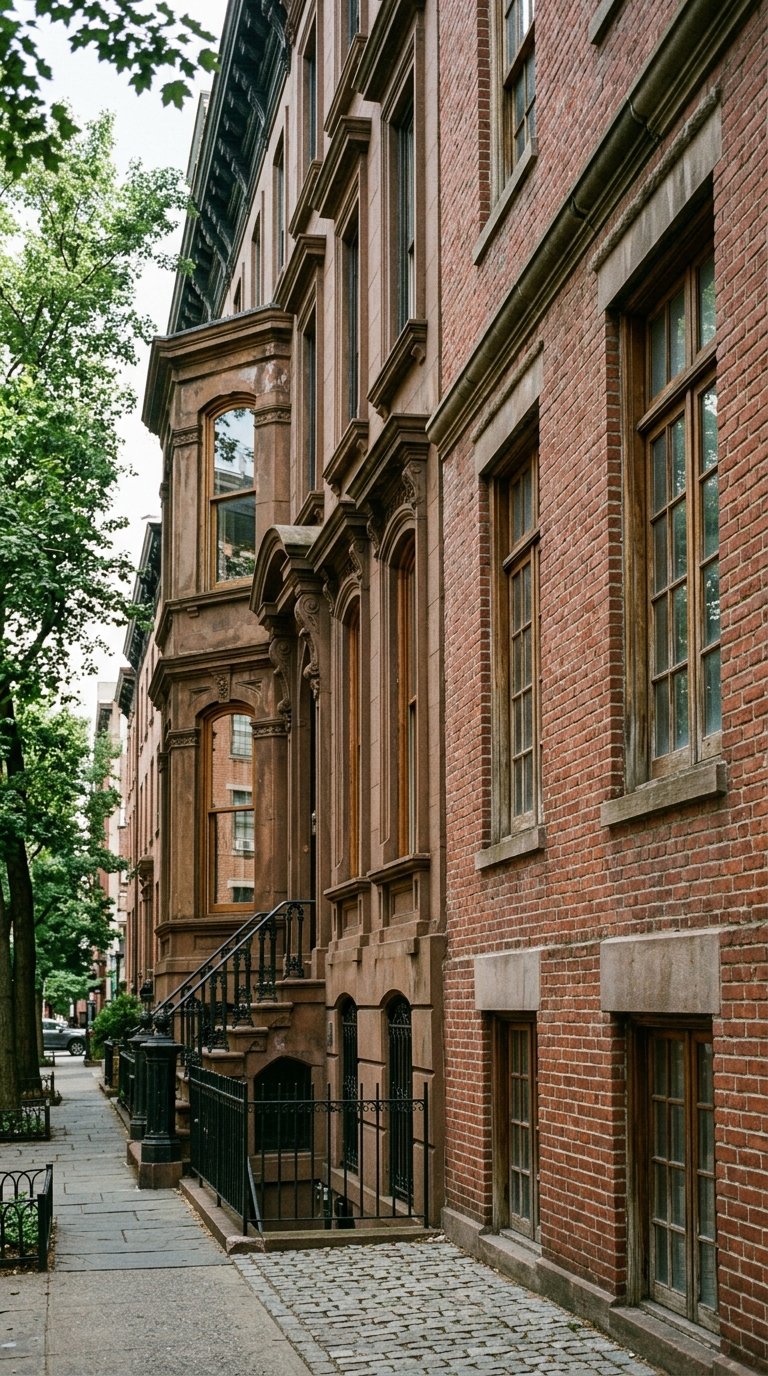
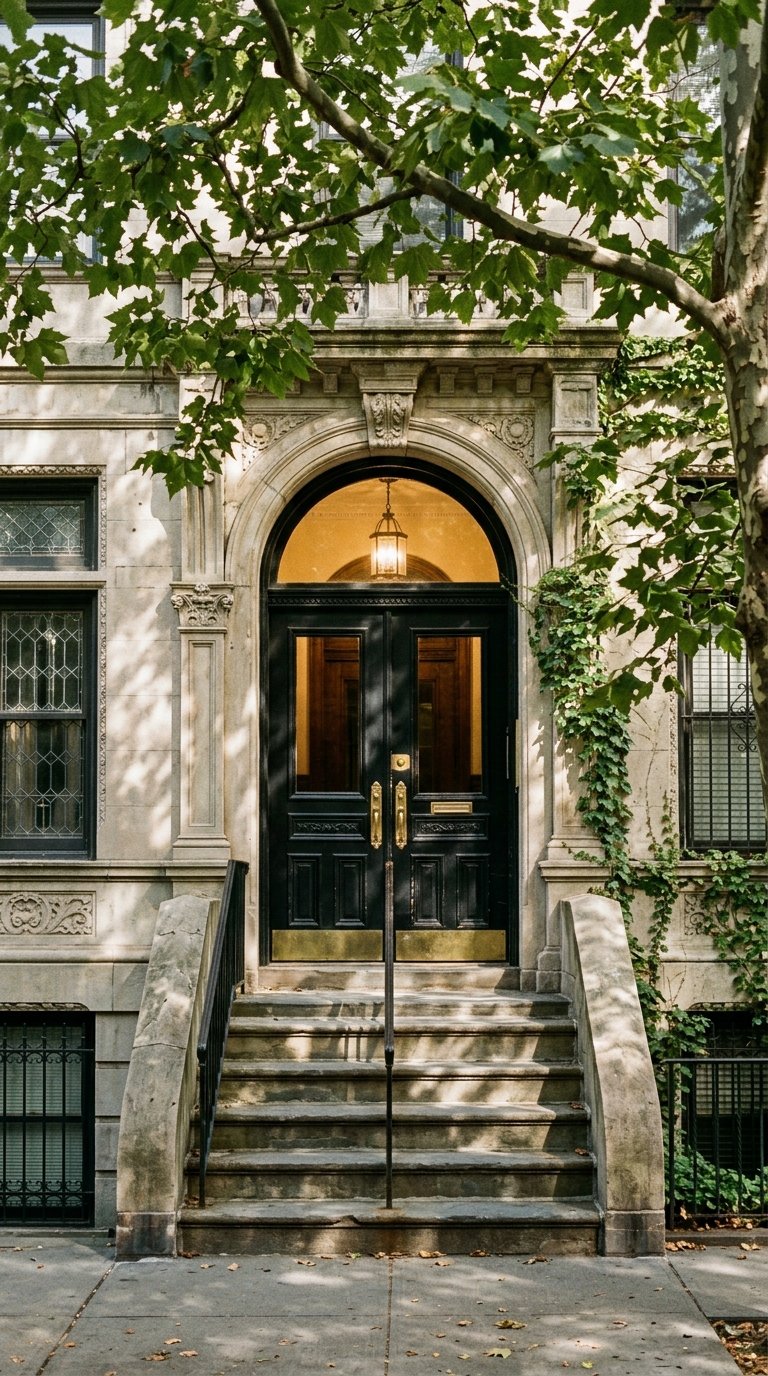
The West Village has a pull that is hard to replicate elsewhere in Manhattan. Its curving streets, historic townhouses, and older walk-up buildings create a neighborhood feel that stands apart from the city’s grid. For many buyers, that sense of place is the point.
It also works well for part-time living because getting around is relatively easy without a car. The area is served by Christopher St-Stonewall on the 1 line, and nearby West 4 St-Washington Sq. connects you to the A, C, E, B, D, F, and M trains. Along the waterfront, the Hudson River Greenway runs beside Hudson River Park, adding another easy way to move through downtown.
That appeal comes at a premium. StreetEasy places the West Village firmly in the expensive and competitive category, with median sale prices in the mid-$1 millions and median base rents in the low-to-mid $5,000s. In other words, you are usually paying for location, atmosphere, and lifestyle more than value pricing.
What a West Village pied-à-terre really offers
A pied-à-terre in the West Village often works best as a lifestyle asset. If you want a home base for regular stays in New York, close access to restaurants, downtown culture, and an easy walking rhythm, the neighborhood can be a strong match. It tends to suit buyers who value experience and setting as much as square footage.
This is usually not the neighborhood where buyers find the most space for the money. The housing stock is often older, and homes can run smaller than what you may find in other downtown options. That tradeoff is worth it for some buyers, but it should be an intentional choice.
The strongest case for buying here is not that the math is easy. It is that the West Village offers a specific kind of residential feeling, paired with strong transit access and a natural fit for part-time city living.
Co-op versus condo matters here
In the West Village, the building type can matter just as much as the apartment itself. Many purchases will be in co-ops or older condos, and the rules attached to those buildings can shape how usable the property feels over time.
For co-ops, you are buying shares in the corporation and receiving a proprietary lease. Your maintenance charges are based on the number of shares you own, and the building’s bylaws, proprietary lease, and house rules set the terms for occupancy and subletting. That means the answer to “Can I use this as a pied-à-terre?” is often building-specific.
Older condos can also come with occupancy limits or second-home restrictions. Fannie Mae notes that some condo projects limit occupancy to principal residences only, while others allow principal residences and second homes. You should never assume a building will allow the use pattern you want.
Subletting is often more limited than buyers expect
One of the biggest pied-à-terre mistakes is treating the apartment like a flexible hybrid between personal use and rental income. In the West Village, that can be risky. Building rules may limit how often you can sublet, how long you must own before subletting, or whether subletting is allowed at all.
That matters even more if rental income is part of your ownership plan. If you need to offset carrying costs with frequent rentals, the West Village may not be the easiest fit. Many buyers are better served by approaching a West Village pied-à-terre as a place to use and enjoy, not as a rental strategy.
Financing can also reflect that distinction. Fannie Mae says co-op share loans are eligible only when the borrower will occupy the unit as a principal residence or second home, not as an investment property. That makes it even more important to be clear about your intended use from the start.
Historic character can limit renovation freedom
A large part of the West Village’s appeal is preservation. The Greenwich Village Historic District was designated in 1969 and remains the largest historic district in New York City. That protected character helps maintain the neighborhood’s look and feel, but it can also narrow what you can change.
If a building is landmarked, or located within a historic district, most exterior alterations require prior approval from the Landmarks Preservation Commission. Ordinary interior work generally does not, unless it affects the exterior or requires a Department of Buildings permit. So if your vision includes changing windows, reworking an exterior element, or making visible facade updates, you will want to verify what approvals are required.
For some buyers, this is part of the charm. For others, especially those who want a quick cosmetic transformation or broad renovation freedom, it can feel restrictive. The key is knowing which camp you are in before you buy.
Carrying costs deserve a closer look
In a neighborhood with premium pricing, monthly and upfront costs can add up quickly. Beyond the purchase price, you will want to model maintenance or common charges, property taxes where applicable, and the cash reserves your lender may require.
Second-home financing is often tighter than financing for a primary residence. Fannie Mae’s reserve rules require additional reserves for second-home and investment-property transactions, so buyers should expect more scrutiny and less flexibility than a typical primary-home purchase.
Property taxes are also a major part of the picture. The New York City Department of Finance says tax bills are based on factors including market value, assessed value, transitional assessed value for some classes, exemptions, and abatements. For tax year 2026, the city lists a Class 2 property tax rate of 12.439%.
There is another detail many pied-à-terre buyers overlook. The co-op and condo tax abatement is generally tied to primary residence use, and the Department of Finance says the unit must be the owner’s primary residence. That means many pied-à-terre owners will not qualify.
Closing costs can be higher than expected
For many West Village buyers, acquisition costs are not a minor line item. New York State imposes a real estate transfer tax of $2 per $500 of consideration. Residential purchases of $1 million or more are also subject to the 1% mansion tax.
New York City adds its own transfer tax on residential condo and co-op transfers at 1.425% when consideration exceeds $500,000. If the purchase is financed, the NYC mortgage recording tax may also apply. In a neighborhood where pricing often sits well above $1 million, those costs should be part of your early budgeting, not a last-minute surprise.
It is also worth keeping an eye on policy discussions. As of April 2026, official city sources were still discussing a proposed pied-à-terre tax rather than an enacted one. For now, that is a watch item, not a settled ownership cost.
When a West Village pied-à-terre is a good fit
For the right buyer, the answer is yes. A West Village pied-à-terre can make a lot of sense if you plan to use it regularly, love walkable downtown living, and see the apartment as a personal home base first.
It may be a strong fit if you:
- Spend frequent time in New York for work, family, or lifestyle reasons
- Want a neighborhood with historic character and a distinct sense of place
- Value dining, culture, waterfront access, and easy transit connections
- Are comfortable paying a premium for location and atmosphere
- Do not need broad sublet flexibility to make ownership work
In that scenario, the apartment can support a very specific kind of city life. It becomes less about maximizing efficiency and more about having the right foothold in the right neighborhood.
When it may not be the right fit
The West Village is not ideal for every second-home buyer. If your top priorities are flexible use, rental upside, or the most square footage possible for your budget, you may feel constrained here.
It may be a weaker fit if you:
- Need frequent or open-ended subletting options
- Depend on rental income to offset monthly costs
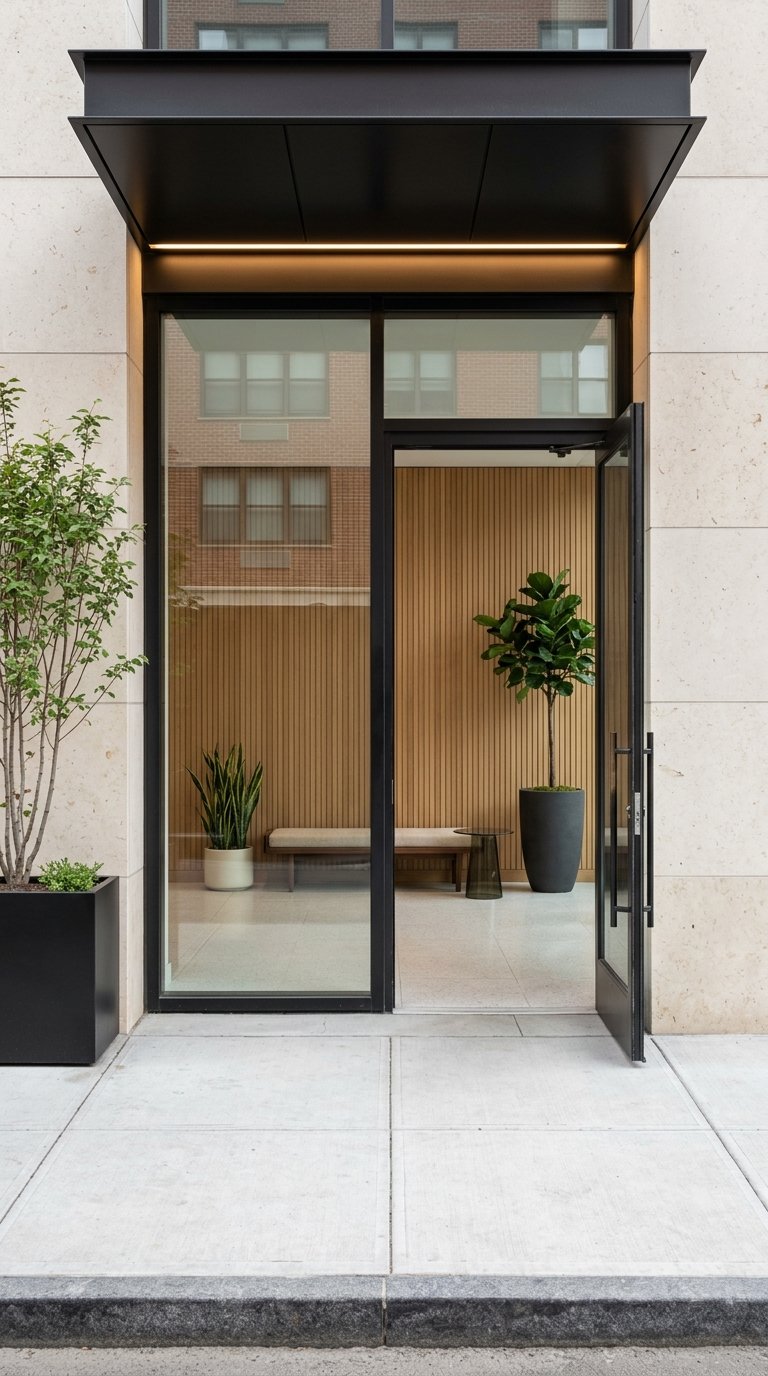
- Want newer building amenities as a top priority
- Expect easy renovation approvals in a historic setting
- Prefer value and space over neighborhood character
That does not mean the neighborhood is wrong. It just means the fit has to be honest. A great purchase is one that matches how you actually plan to live.
A practical checklist before you buy
Before moving ahead with a pied-à-terre purchase in the West Village, it helps to pressure-test the decision with a few building-level questions. In this neighborhood, details matter.
Use this checklist as a starting point:
- Confirm whether pied-à-terre use is allowed by the building
- Review sublet rules in the bylaws, proprietary lease, or condo documents
- Read the offering plan in full
- Review board minutes and financial reports
- Ask about planned capital work, including facade, roof, elevator, plumbing, and electrical projects
- Verify whether the building is landmarked or located in a historic district
- Model the full monthly cost, including maintenance or common charges, taxes, reserves, and insurance-related expenses if applicable
- Estimate closing costs, including transfer taxes and mortgage recording tax if financing applies
In older West Village buildings, due diligence is especially important. The New York State Attorney General specifically recommends reviewing offering plans, board minutes, and financial reports because they can reveal defects, repair plans, and potential building-wide costs.
The bottom line on fit
A West Village pied-à-terre is rarely the practical choice on paper alone. It tends to be the right choice when you want an apartment that supports a certain version of New York life: walkable, character-rich, design-minded, and used often enough to justify the premium.
If that sounds like you, the right opportunity can be deeply rewarding. But success here usually comes from matching your lifestyle goals to the building’s rules, the neighborhood’s realities, and the true cost of ownership.
If you want thoughtful guidance on whether a West Village pied-à-terre aligns with your plans, The Jane Advisory can help you evaluate the neighborhood, compare building types, and find a home that fits the way you actually live.
FAQs
Is a West Village pied-à-terre a good choice for part-time NYC living?
- It can be a strong choice if you plan to use the home regularly and value walkability, transit access, historic character, and downtown lifestyle over maximum space or rental flexibility.
Do West Village co-ops allow pied-à-terre ownership?
- Some do, but rules vary by building, and co-op bylaws, proprietary leases, and house rules often control occupancy and subletting.
Can you sublet a West Village pied-à-terre when you are not using it?
- You should not assume you can, because sublet policies are building-specific and may limit timing, duration, or whether subletting is allowed at all.
Are West Village historic buildings harder to renovate?
- They can be, especially if the building is landmarked or in a historic district, since many exterior alterations require prior approval from the Landmarks Preservation Commission.
What extra costs should buyers expect for a West Village pied-à-terre?
- Buyers should budget for maintenance or common charges, property taxes where applicable, closing costs such as state and city transfer taxes, mansion tax on qualifying purchases, and possibly mortgage recording tax if financing is involved.
Do pied-à-terre owners qualify for the NYC co-op or condo tax abatement?
- Often no, because the Department of Finance says the co-op and condo tax abatement generally requires the unit to be the owner’s primary residence.