Should you sink time and money into a remodel, or list your Long Island City home as is and move on? It is a real question when buyer expectations, building rules, and the clock all matter. You want the strongest price with the least stress, not a project that eats your timeline or your net. In this guide, you will learn when light, targeted updates beat a full renovation, how strategy shifts by building type, and a simple decision path you can use before you spend a dollar. Let’s dive in.
What LIC buyers compare
Long Island City sits in a higher price tier than much of Queens, with recent condo resale medians around the low seven figures. The area has a wide spread of product, from new glass towers to older condos and co-ops, so buyers compare your home to a tight set of nearby comps and even to other lines in your building. In years with more new-development inventory, buyers lean toward move-in-ready listings and get picky about pricing. That puts a spotlight on clean presentation and accuracy over heavy, bespoke pre-listing remodels.
Buyer profiles also help you decide. A state snapshot shows LIC’s median household income around $162,100, above nearby areas, which supports demand for convenience, modern finishes, and amenities. You will often face three buyer types: new-development buyers who want turnkey quality, local professionals seeking ready-to-live-in homes near transit, and some investors where building rules allow. Knowing which pool your home speaks to will guide where to put effort. For local income context, see the New York State Comptroller’s neighborhood snapshot for LIC and nearby areas, which outlines the area’s economic strength and changing demographics (state analysis of LIC’s economy).
Building type drives strategy
New-development condos
If your condo is in a newer tower with amenities, buyers expect modern kitchens and baths, in-unit laundry where standard, and finishes that match the building. In many cases, major pre-listing renovations will not push price much higher than a well-presented, correctly priced unit that already meets the building’s baseline. Focus on perfection in presentation, not a custom overhaul that may not match the building’s palette.
Older condos and co-ops
In older buildings, buyers respond strongly to clean, bright, and functional. That means fresh neutral paint, refinished or cleaned floors, updated lighting and hardware, and a tidy, working kitchen and bath. These upgrades are usually lower cost and faster to complete than a full gut, with better odds of payback at resale. For a plain-English overview of how ownership types differ in NYC, including renovation latitude, see this primer on co-ops vs. condos (co-ops vs. condos overview).
Co-ops: timing matters more
Co-ops add an extra decision layer. Boards often require alteration agreements, contractor insurance, and work-hour windows, and they may review your plans before you can even start. That can add weeks, plus soft costs for building supervision, elevator time, and potential escrow. Because of that, many co-op sellers favor modest cosmetic prep and honest pricing or buyer credits over permit-heavy pre-listing projects. For a sense of typical co-op rules, read this overview on board processes and renovation requirements (co-op rules guide).
What pays off before listing
You do not need a full makeover to make a strong first impression. Start with the high-impact, lower-cost moves that show up in photos and at showings:
- Declutter, deep clean, and book great photography. This is the foundation of traffic and offers. Agent surveys consistently rank clean presentation at the top for buyer response (NAR staging report).
- Fresh neutral paint and brighter lighting. A few thousand dollars can make rooms feel larger, newer, and more cohesive.
- Floor refresh or refinishing if worn. Buyers notice it in photos and at the first step inside.
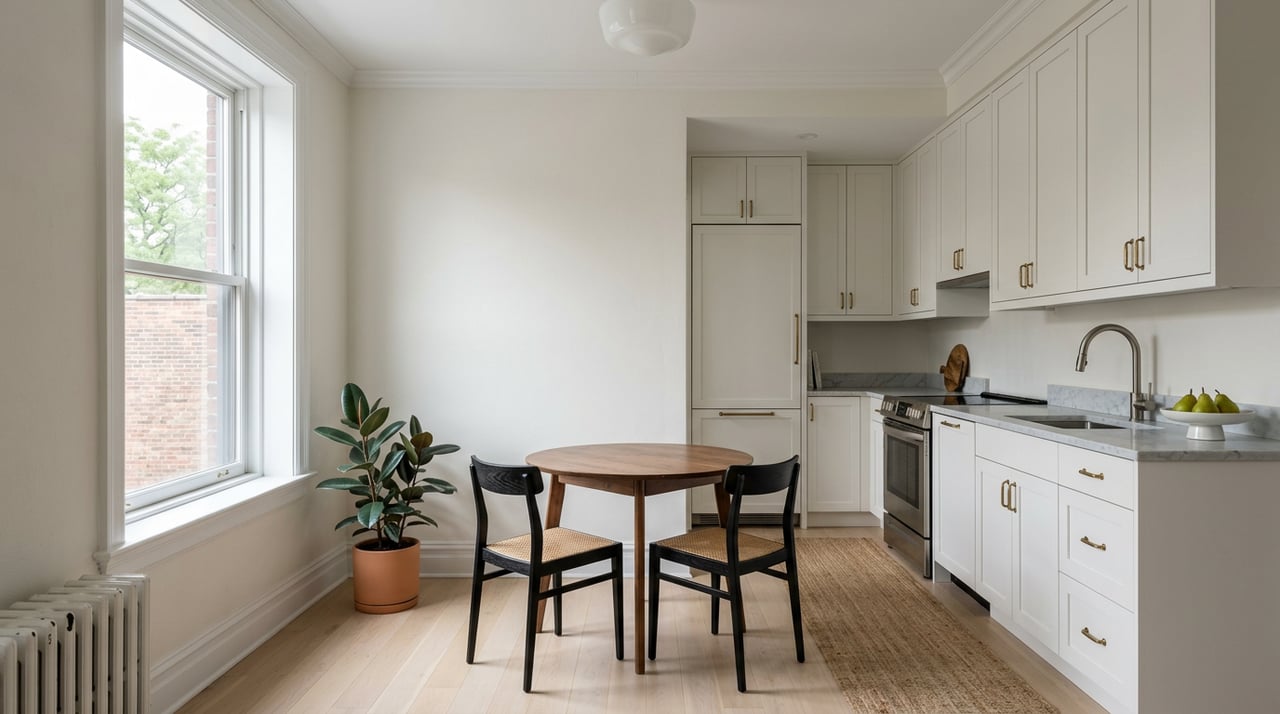
- Minor kitchen refresh. Think painted or refaced cabinets, new counters, a sleek faucet, a modern backsplash, and updated hardware. National benchmarks show minor kitchen projects often recoup a high share of cost at resale, but remember NYC labor is pricier (Cost vs Value benchmarks).
- Minor bath updates. Replace a vanity, regrout or spot-repair tile, swap a mirror and lights, and modernize fixtures.
- Staging. Whether occupied or vacant, thoughtful staging often shortens days on market and can lift offers. Plan a modest budget for your unit size and style (NAR staging report).
When to skip the big reno
Full gut renovations rarely pencil out if your only goal is to raise the sale price. National data shows that major kitchen remodels typically recoup a much lower percentage of cost than minor kitchen jobs at resale (Cost vs Value benchmarks). In NYC, contractor labor, logistics, and building rules often push costs even higher, which shrinks ROI further. A realistic midrange kitchen refresh in the city commonly runs in the $40,000 to $70,000 range depending on scope and building logistics, according to local contractor guides (NYC kitchen cost guide).
Consider a major renovation only if three conditions are true: your comps show a clear, provable price jump for the finished product, you can complete the work quickly and below typical market cost, and your building and DOB approvals are already lined up. Otherwise, price to reflect condition and let the buyer renovate to taste.
Permits, boards, and timing
NYC permitting can surprise sellers. Moving plumbing or electrical, changing walls, or shifting egress often requires Department of Buildings filings and licensed trade permits. Even cosmetic work in multi-dwelling buildings can trigger notices and Tenant Protection Plan steps. Review DOB guidance before you set a schedule so you do not run into a work-stoppage or closing delay (DOB NOW FAQs).
If you are in a co-op, expect to follow an alteration agreement and board rules on hours, elevator use, and insurance requirements. Factor potential architect reviews and board timelines into your calendar and costs (co-op rules guide). Condos are usually easier on approvals than co-ops, but DOB rules and building policies still apply (co-ops vs. condos overview).
Step-by-step decision path
Use this simple sequence to protect your net and your timeline:
Pull tight comps. Ask your agent for a building-level and block-level CMA that matches your line, view, and bedroom count. LIC has wide price dispersion because of the mix of product, so broad neighborhood averages can mislead.
Fix health and safety issues first. Resolve leaks, mold, electrical hazards, or open violations before photos. Buyers will find them, and they can derail deals. Use DOB records to confirm there are no open permit issues that might slow your sale (DOB NOW FAQs).
Do the fast, high-ROI prep. Neutral paint, floor touch-ups, updated lighting and hardware, a spotless home, and professional staging. These earn their keep in photos and showings and are usually quick to complete (NAR staging report).
Consider a minor kitchen or bath refresh if comps reward it. If your kitchen layout works and cabinets are sound, price out a minor refresh. As a rough rule, if the refresh cost stays under about 3 percent of your target sale price and local comps show a clear premium for updated finishes, it can make sense. Use national Cost vs Value benchmarks for direction, then adjust for NYC labor (Cost vs Value benchmarks).
Avoid major, permit-heavy projects unless the math is airtight. A full gut that risks DOB or board delays often reduces your net after carrying costs and timing risk. In a co-op, confirm alteration timelines before you decide.
If you choose to renovate, lock the plan. Get two local bids, a staged payment schedule tied to milestones, and clear start and finish dates. Confirm in writing what permits, filings, and building approvals are needed so your closing is not delayed. Local cost guides can help you sense-check quotes across scopes, from light updates to whole-apartment projects (NYC apartment renovation cost examples).
Quick math examples
These simplified scenarios use a recent LIC condo median around $1,121,500 as a baseline and a sample total brokerage commission of 5 percent for illustration. Actual costs and pricing vary by line, view, and finish level.
Baseline, sell as is: List at $1,121,500 and sell near that price. A 5 percent commission equals $56,075, leaving roughly $1,065,425 before other closing costs. Closing cost summaries for sellers commonly include transfer taxes, attorney fees, and potential flip taxes where applicable (seller closing cost overview).
Minor kitchen refresh: Suppose you invest $30,000 to refinish cabinets, swap counters, update hardware and lighting, and replace a few appliances. National data shows minor kitchen jobs can recoup around or above their cost at resale on average, though NYC costs tend to be higher than the national sample (Cost vs Value benchmarks). If the refresh adds an optimistic $34,000 in value, your net after commission and the project edges up only slightly over selling as is. In other words, a light, well-executed refresh can help, but the uplift is modest and depends on comps, pricing, and finish quality.
Major kitchen gut: A full remodel often starts far higher than national averages once you add NYC labor, logistics, building requirements, and possible permits. If a major job costs $80,000 and typical resale recoup rates hover around half that cost, you could end up with a lower net than selling as is, plus added time and risk (NYC kitchen cost guide; Cost vs Value benchmarks).
The takeaway is simple. Light, targeted improvements and standout presentation often do more for your bottom line than a long, expensive remodel that pushes into permit and board territory.
Your next move
If your LIC condo already meets its building standard, lean on cleanliness, staging, smart pricing, and exceptional marketing. If your older condo or co-op shows wear, a tight cosmetic refresh and strong presentation can win attention without overcommitting time or money. When in doubt, run the decision path above with real comps and two local bids before you commit to any scope.
Want a building-specific plan that maximizes your net and protects your timeline? Connect with the people-first team at The Jane Advisory for a clear pricing strategy, curated presentation, and an LIC-ready listing rollout.
FAQs
Should I renovate my Long Island City condo before selling?
- Usually no for a full gut. In most cases you will do better with targeted cosmetic updates, staging, and accurate pricing, unless your comps prove a big remodel will move you into a higher price bracket.
What updates add the most value in LIC apartments?
- Fresh paint, brighter lighting, floor refreshes, minor kitchen and bath updates, and quality staging tend to deliver strong buyer response compared to cost.
How do co-op rules affect pre-listing renovations in LIC?
- Co-ops often require alteration agreements, insurance, and board review, which can add weeks and soft costs. Many co-op sellers choose light cosmetic prep over permit-heavy work.
Do I need a permit to update my kitchen in a condo or co-op?
- If you move plumbing or electrical, change walls, or alter egress, expect DOB filings and licensed trades. Cosmetic work in the same layout may not need filings, but building policies still apply.
Is staging worth it in Long Island City?
- Yes. Staging often shortens time on market and can lift offers by making your home stand out online and in person, especially against new-development competition.
How should I budget for a kitchen refresh in NYC?
- Price out two local bids and expect higher labor costs than national averages. A modest refresh can start around the low tens of thousands, while midrange scopes often land in the $40,000 to $70,000 range depending on building logistics.